'It hits us in the gut': Mont Blanc faces defrosting and rock falls from climate change as communities 'weep' for the mountain peak
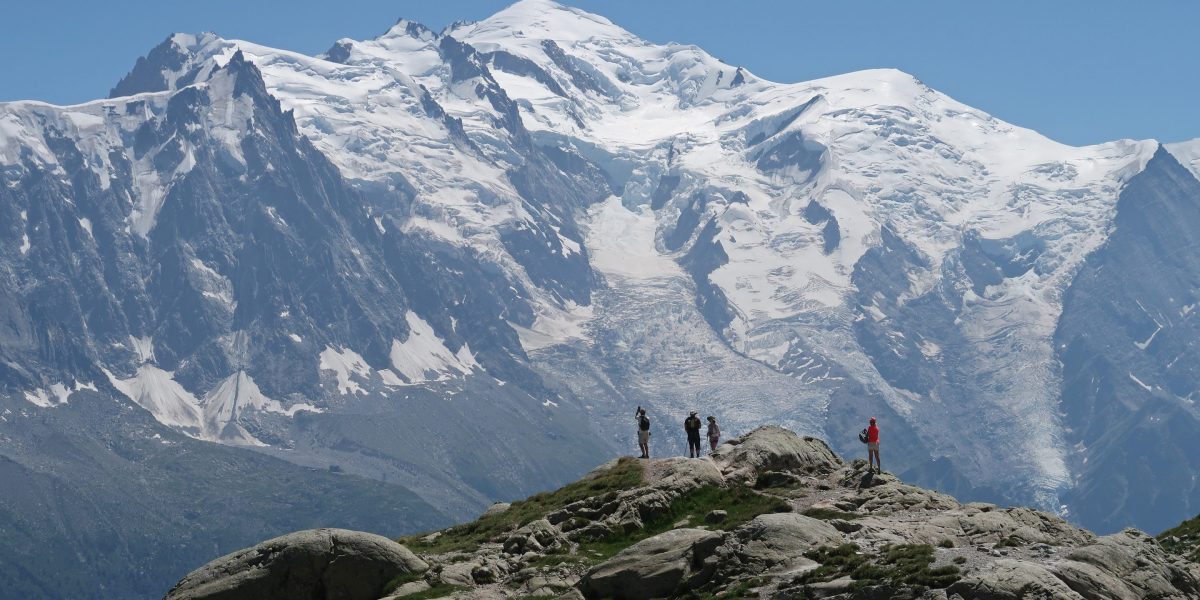
For centuries, French and Italian mountain communities on the flanks of Western Europe’s highest peak have gazed upon seemingly eternal glaciers and snow that gave the colossus its name: Mont Blanc, the white mountain.
TL;DR
- Climate warming is causing rapid melting of glaciers and permafrost on Mont Blanc, a phenomenon impacting the stability of the Alpine landscape.
- Increased temperatures have led to a significant rise in rock falls, with researchers expecting around 400 collapses in the Mont Blanc massif this year, approximately 10 times more than two decades ago.
- Glacial retreat and snowmelt are making high-altitude areas more difficult to access and traverse, with crevasses opening up and rock collapses occurring.
- Average temperatures on the Aiguille du Midi peak have significantly increased, with July recording its warmest average temperature ever.
- Glaciers in the Italian Alps have lost over 40% of their surface area since 1991, and it is now raining at high altitudes where snow used to fall.
- Local communities, like Chamonix-Mont-Blanc, are deeply affected and concerned about the mountain's changes, with officials preparing for serious scenarios of potential falls onto inhabited areas.
- The melting and risk of rock falls are making mountain guiding more challenging and forcing the cancellation of climbing plans.