tech
How headlights got brighter, whiter, and more blinding after dark
Automotive lights are better than they’ve ever been, but there’s a trade-off.
TL;DR
- Modern headlights, especially LEDs, are brighter, more efficient, and have cooler color temperatures than older halogen systems.
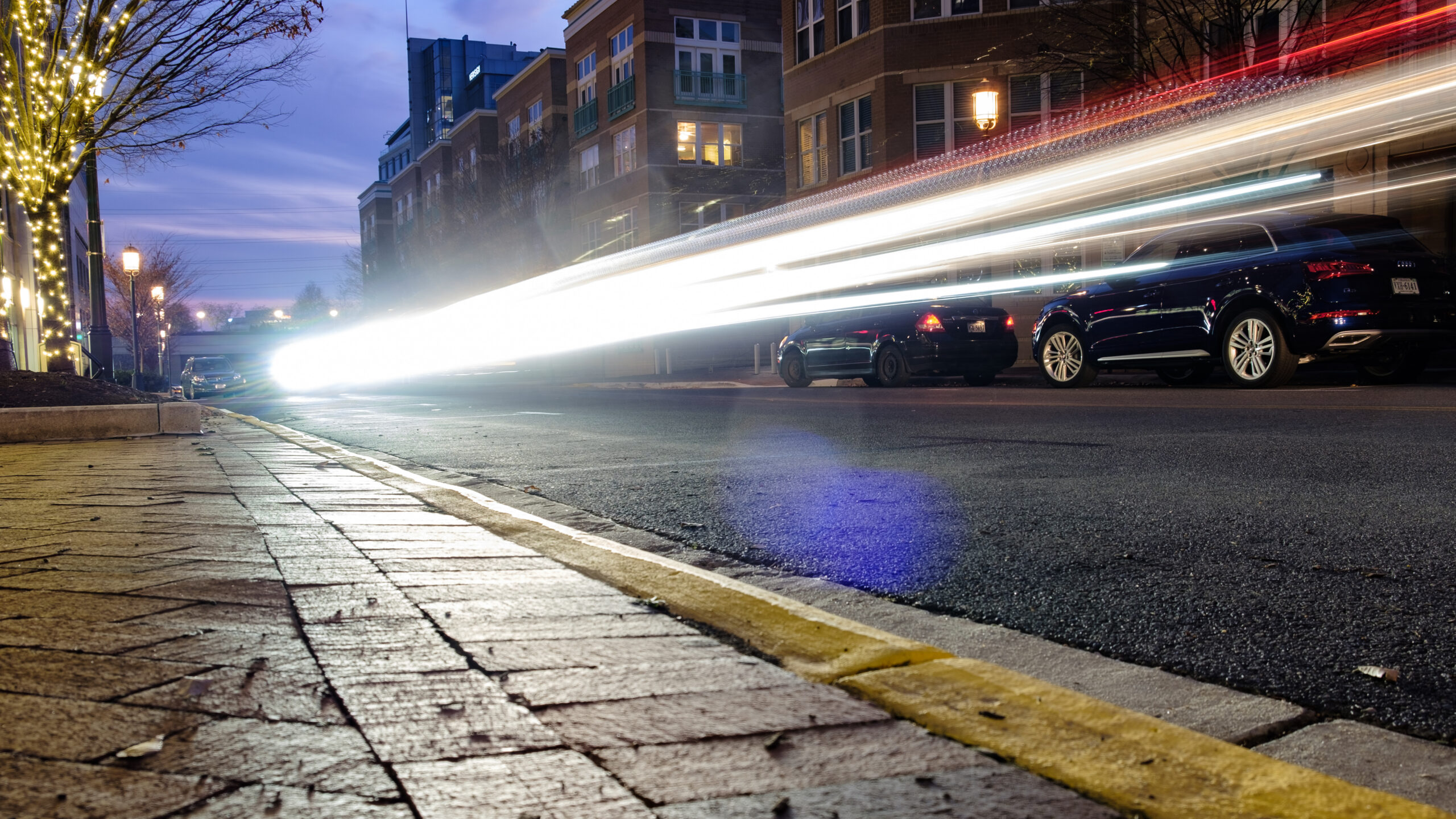
- The increased intensity and concentration of light from modern headlights, coupled with higher vehicle mounting points (SUVs, trucks), contribute to significant glare for oncoming drivers.
- Adaptive matrix headlights theoretically offer a solution by selectively dimming portions of the beam, but their adoption is inconsistent and regulations vary.
- US federal headlight brightness standards have remained largely unchanged since 1997, though adaptive driving beam headlights were allowed in 2022.
- An IIHS study found that vehicles with "good"-rated headlights were involved in fewer nighttime and pedestrian crashes.
- While modern systems are more capable, issues with object recognition, beam adjustment latency, and computer interpretation can still lead to blinding glare.
- Replacing malfunctioning LED headlight units is more complex and costly than changing older halogen bulbs.