tech
Inside the move from generative AI to agentic AI in enterprise finance
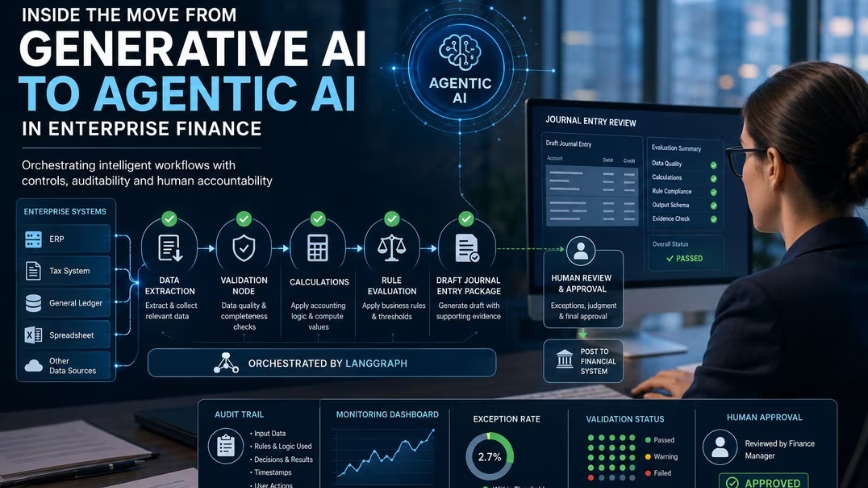
AT&T’s finance organization is building agentic AI workflows using LangGraph to automate manual journal entry preparation under SOX controls. The architecture separates repeatable preparation from human judgment through finance-owned playbooks, node-level audit evidence, and explicit approval boundaries.
TL;DR
- Agentic AI, a step beyond generative AI, can interpret goals, retrieve data, use tools, and apply rules to coordinate business systems.
- In finance, agentic AI systems must demonstrate controls, auditability, and human accountability.
- AT&T's finance organization is using an agentic approach for manual journal entries to automate preparation while keeping judgment and approval with humans.
- The system employs LangGraph for orchestration, enabling an auditable, step-by-step representation of the process.
- Finance-owned playbooks define business logic, separating it from engineering's orchestration layer to maintain process accountability.
- Node-level evaluations act as control points, with checks for data quality, calculations, schema completion, and rule exceptions.
- Human reviewers remain responsible for exceptions, professional judgment, and final approval, with the system preparing a validated package.
- The value of agentic AI in regulated finance depends on precise constraints, not autonomy.