tech
February 20, 2026
Google: How AI is Making Waves in Wildlife Conservation
Google's recent study examines how AI and cutting-edge technologies can better protect biodiversity and address the global nature crisis with open data
TL;DR
- AI and cutting-edge technologies can help protect biodiversity and address the global nature crisis.
- Less than 25% of countries have clear goals aligned with the Kunming-Montreal Global Biodiversity Framework due to data gaps.
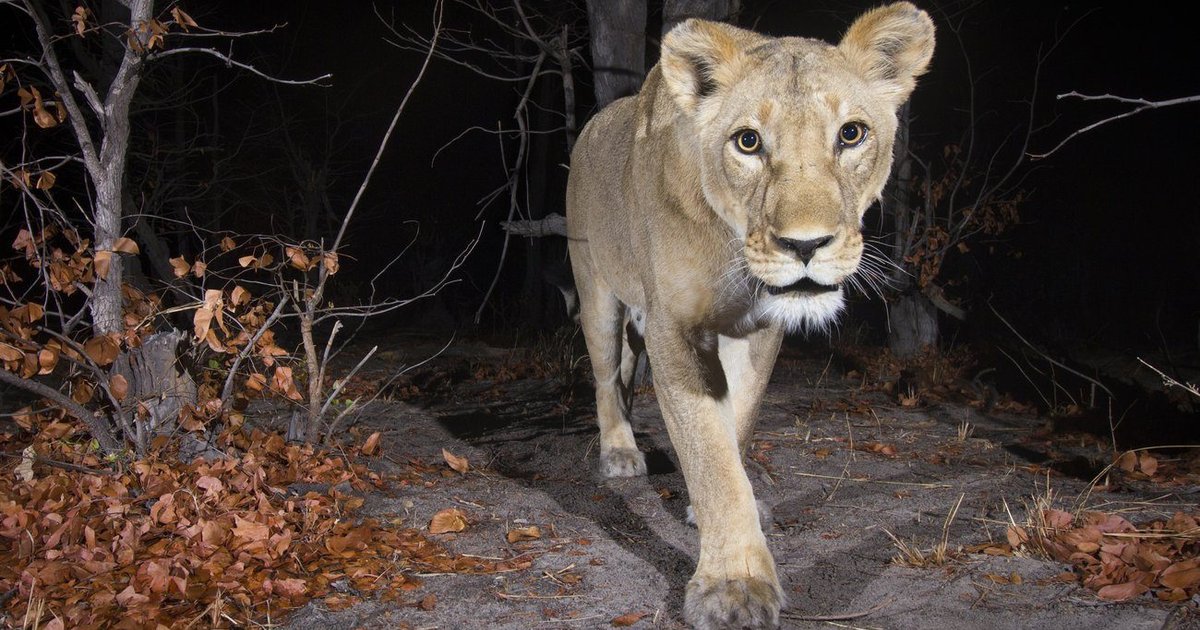
- Wildlife Insights provides the world's largest publicly accessible database of camera trap images.
- Global Fishing Watch uses AI to analyze ship movements and identify illegal fishing activities.
- iNaturalist is a citizen science platform that allows users to document biodiversity with their mobile phones.
- Three critical areas for progress include expanding primary biodiversity data collection, developing open AI systems, and enhancing capacity and knowledge sharing.
- Risks include AI expertise concentration in a few countries, the environmental footprint of AI systems, and bias in training data.
- Global financing for nature needs to increase by US$500bn a year to achieve global goals.
Continue reading the original article