tech
April 9, 2026
The Moon is already on Google Maps—did Artemis II really tell us anything new?
“I think the biggest value here is the PR. I mean, it’s getting the public excited.”
TL;DR
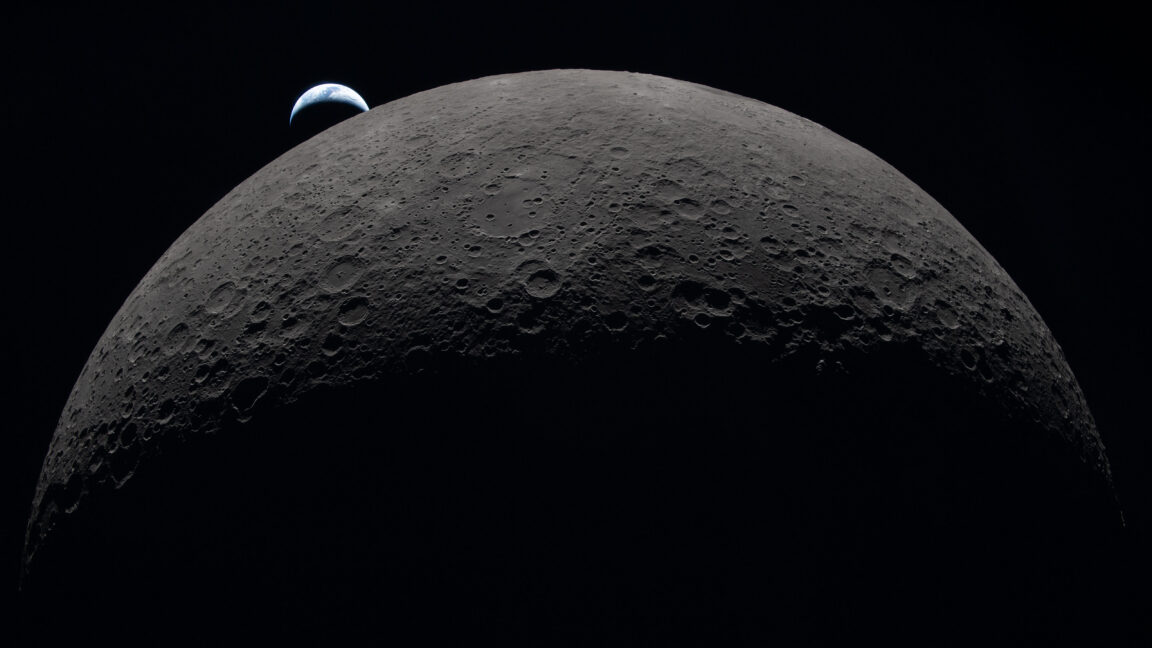
- Artemis II astronauts used handheld cameras and iPhones to capture images and video during their lunar flyby.
- The mission provided the first human exploration of another planetary body in nearly 54 years, offering views of the lunar far side previously seen only by robotic missions.
- While robotic missions are equipped with sophisticated scientific instruments, Artemis II focused on human observation and technological demonstration.
- The value of Artemis II is largely attributed to public relations and reigniting excitement for space exploration.
- Scientists trained the astronauts in geology to maximize potential scientific observations from the spacecraft's cockpit.
- Human observations from Artemis II provided valuable perceptual context, complementing data from robotic sensors.
- The mission identified issues with glare from the Sun and Earth through the Orion spacecraft's windows, with astronauts improvising a solution.
- Astronauts observed brief flashes of light caused by micrometeoroid impacts on the lunar surface, which can help in understanding the dynamic lunar environment and designing future shielding.
- Future landed missions are expected to yield more significant scientific discoveries, potentially beginning around 2028.
- Artemis II is seen as a crucial step in re-integrating geology into human spaceflight.
Continue reading the original article