sports
F1 in Japan: Oh no, what have they done to all the fast corners?
F1 cars don’t have enough energy in a lap to attack fast corners, and that’s bad.
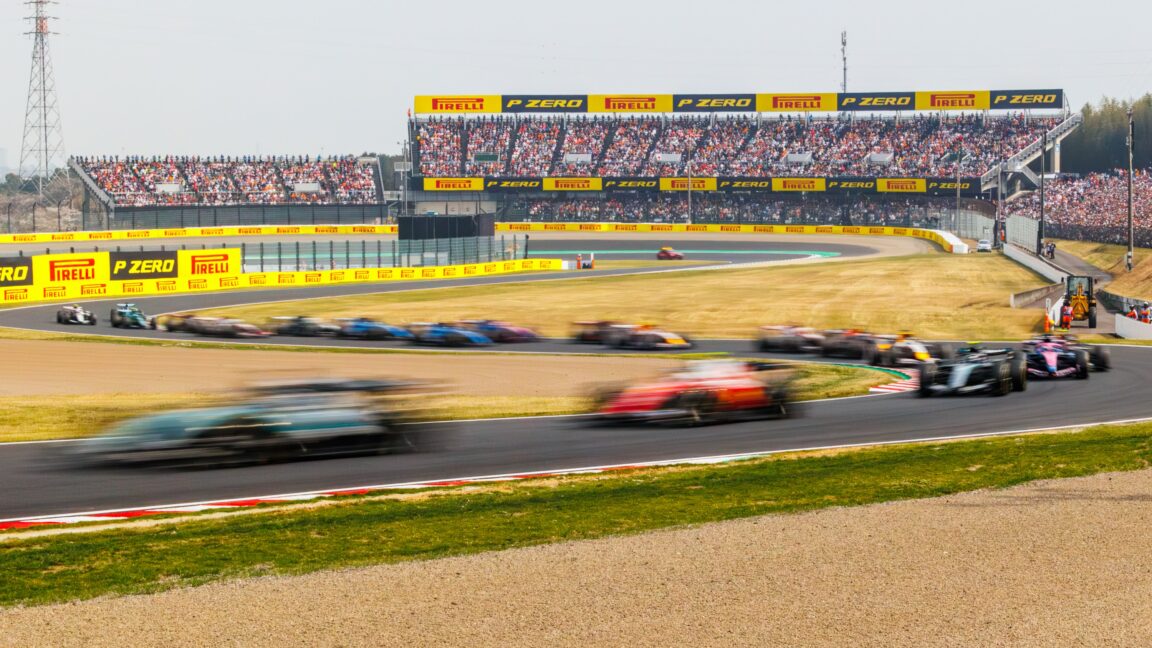
TL;DR
- The new generation of F1 cars, with their hybrid systems, are struggling with energy management, particularly on tracks with fewer braking zones like Suzuka.
- Cars are unable to regenerate enough energy, leading to 'superclipping' and unpredictable power delivery, causing dangerous speed differentials.
- Fast corners, once a highlight of circuits like Suzuka, are now being taken at reduced speeds as drivers conserve energy, leading to criticism and a potential change in the nature of F1 racing.
- Drivers like Max Verstappen and Charles Leclerc have expressed strong dissatisfaction with the current technical regulations, calling the racing 'mushroom mode' and a 'joke'.
- The sport is holding crisis talks on April 9th to find solutions, but potential fixes may require expensive redesigns or compromise the cars' performance.
- Despite the criticisms, the new cars race well and demand significant mental effort from drivers for energy management, though some argue this shifts the focus away from traditional racing skills.
- Kimi Antonelli won the Japanese Grand Prix, with Oscar Piastri second and Charles Leclerc third, showcasing McLaren's progress despite Mercedes' starting issues and a software glitch affecting George Russell.