tech
March 14, 2026
80 out of every 200 employees exist to manage handoffs that agents are eliminating + the coordination tax audit to find yours
Every AI workforce forecast published this year makes the same mistake. They survey roles, decompose them into tasks, assess which tasks AI can perform, and produce a percentage. The methodology is clean. The math is precise. And the answer is dramatically wrong — because it measures AI capability against an organizational structure that is about to stop existing in its current form.
TL;DR
- Existing AI workforce forecasts are inaccurate because they measure AI capability against current, soon-to-be-obsolete organizational structures.
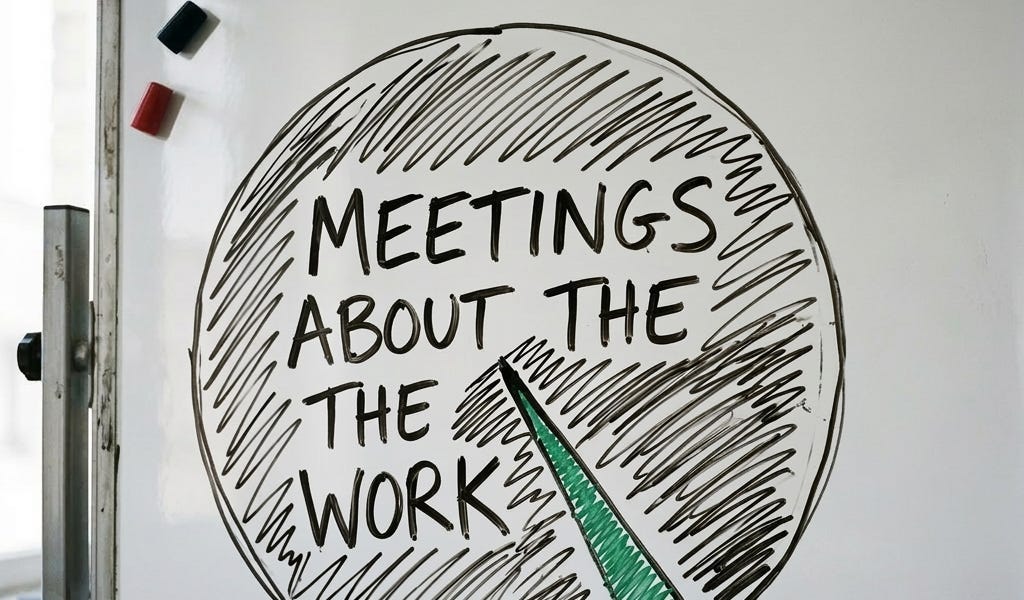
- Most knowledge work is coordination overhead (e.g., writing specs, meetings, preparing decks) rather than direct value creation.
- AI agents will eliminate this coordination layer, causing a 'double compression' of roles and making current forecasts too conservative.
- The remaining work after overhead elimination will be more interesting and valuable.
- The article outlines sections on 'coordination tax', 'org moves to code', 'double compression', function-specific automation, 'real residual' work, and prompts for personal audits.
Continue reading the original article