Congress’s Permitting Bill Is a ‘Massive Giveaway’ to the AI Data Center Industry, Critics Warn
On Monday, the Senate voted to advance a bipartisan bill aimed at easing the construction of new energy infrastructure. The bill, the Bipartisan American Affordability and Jobs Act (BAAJA), has a broad base of support, including from labor leaders who contend it will produce thousands of jobs and clean energy proponents who believe it could unlock wind and solar. Its sponsors are hoping to pass the bill before the current Congress ends in January.
TL;DR
- The Senate advanced the Bipartisan American Affordability and Jobs Act (BAAJA), aiming to streamline energy infrastructure construction.
- Supporters, including labor leaders and clean energy proponents, believe the bill will create jobs and facilitate wind and solar development.
- Critics argue BAAJA accelerates data center buildout, potentially increasing reliance on gas power and development on public lands, while weakening environmental protections.
- Environmental organizations like the Sierra Club and NRDC, along with some Tribal leaders, oppose the bill.
- Industry trade groups largely support the bill, though some acknowledge it could increase building costs.
- Former President Donald Trump publicly urged the Senate to pass the bill.
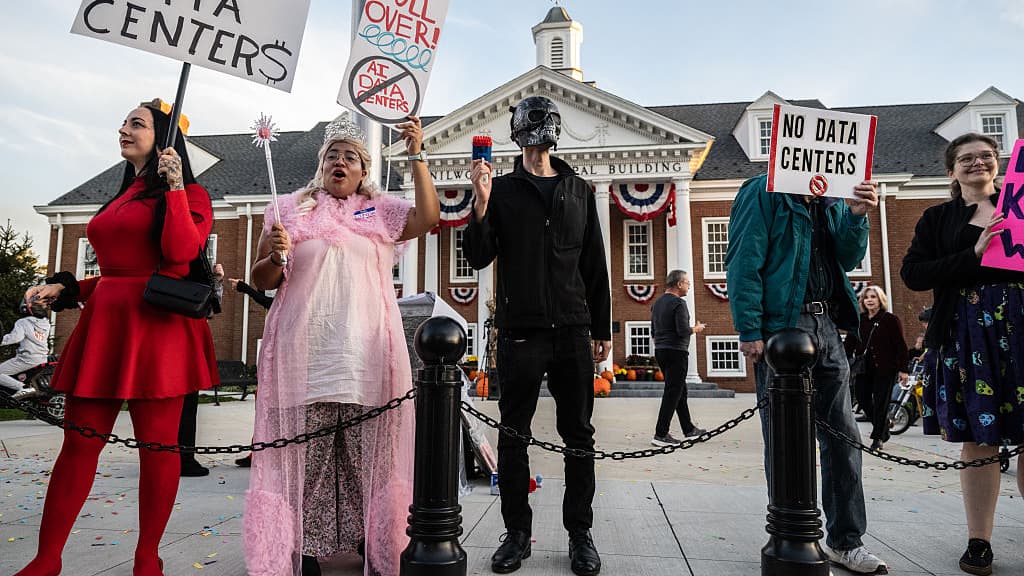
- Critics contend the bill contradicts voter sentiment from recent midterms favoring opposition to data centers.
- The bill aims to ensure data centers pay for transmission upgrades, potentially saving ratepayers money.
- Concerns exist that the bill will prioritize gas-powered data centers due to existing project pipelines.
- The bill could streamline permitting for data centers on federally-owned land, an idea previously supported by the Trump administration.
- Tribal organizations fear the bill will diminish their ability to protect historic and cultural sites.
- Advocates state the bill addresses affordability by making developers pay for transmission costs, potentially saving households billions.
- Some experts worry that increased data center demand could absorb new energy capacity, including fossil fuels.
- The bill's passage is a significant test for Democrats balancing diverse coalition demands.
- The legislation must pass further Senate votes, potential amendments, and identical passage in the House before reaching the President.
- Critics argue that passing the bill in a 'lame duck' session limits input from newly elected House members.