US Moves to Cut China’s Remote Access to AI Chips
Trump bets China won’t mind US blocking remote access to AI chips.
TL;DR
- The Trump administration is tightening regulations to prevent China, Russia, and Iran from circumventing export controls on advanced AI chips.
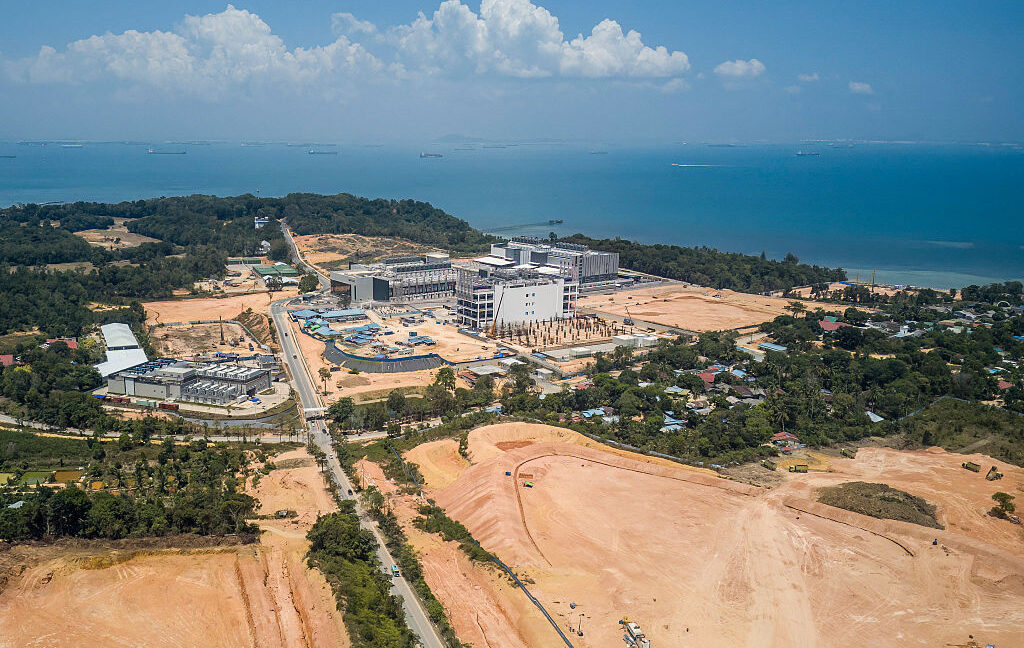
- The loophole exploited involved foreign data centers in countries like Indonesia, Malaysia, Singapore, Thailand, and Brazil, allowing remote access to restricted high-end chips.
- The Commerce Department's new rules require companies to obtain licenses and perform strict due diligence when transferring large volumes of advanced chips to countries with a high risk of diversion.
- Concerns driving the rule change include the potential use of advanced AI for military and intelligence activities, including developing weapons, cyber-espionage, and disinformation campaigns.
- The rule change impacts companies like Megaspeed, a Singaporean data center firm, giving them 90 days to comply or face export restrictions.
- There has been internal debate within the Trump administration regarding the extent of chip curbs, with Treasury Secretary Scott Bessent reportedly pushing for stricter controls and Commerce Secretary Howard Lutnick initially favoring looser ones.
- The effectiveness and enforcement of the new rules remain uncertain, with the Commerce Department responsible for monitoring and enforcement.
- Despite US investigators alleging Alice Huang used industry contacts and shell companies to access restricted chips for China, China denies Alice Huang was a spy, and Trump has questioned the evidence.
- Experts predict the new policy could accelerate China's development of domestic AI chips and potentially increase the cost for Chinese companies to switch back to US platforms, impacting US companies' market share and technological influence.