tech
Human attention is childhood's next digital divide
New book provides guidance for parents, teachers, and policymakers on protecting kids from AI.
TL;DR
- AI tools and toys may divide children into two groups: those with human connection and those primarily interacting with AI.
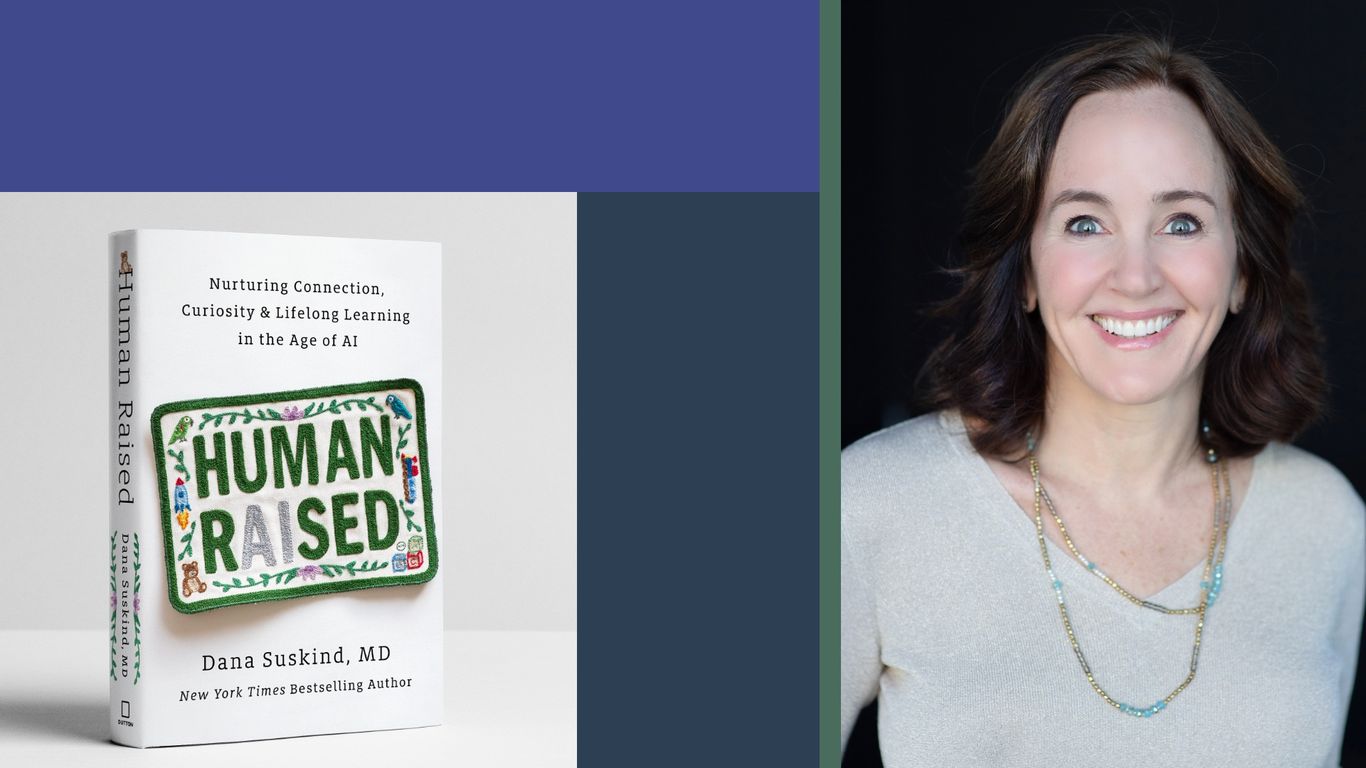
- Pediatric surgeon Dana Suskind argues that early human relationships are crucial for child brain development.
- Suskind compares AI educational tools to ultra-processed food, potentially widening opportunity gaps.
- AI tutors and robots could become substitutes for human interaction in childcare and education.
- A significant percentage of young children have already used AI learning tools, despite age restrictions on major chatbots.
- Concerns exist about AI's sophisticated algorithms keeping children engaged longer and the tendency of young children to anthropomorphize AI.
- There is currently little oversight or regulation for AI toys and tools, though some legislative efforts are underway.
- Tech leaders like Sam Altman and historical figures like Bill Gates and Steve Jobs have expressed caution about exposing their own children to AI.
- Suskind does not advocate for a complete ban on AI for children but stresses it should not be used alone or unsupervised, and is not a replacement for human connection.