Musk says Grok Bot's costs are 'unsustainably high,' while OpenAI admits Dots are ‘compute heavy.' Is the personal AI agent push dead on arrival?
The success of Meta’s Muse personal assistant has convinced the AI industry that personal agents that proactively complete tasks are the next logical evolution of the technology, but it’s unclear if there is enough compute to power them—at least in the timeframe that these companies are betting on.
TL;DR
- The AI industry views proactive personal agents, like Meta's Muse, as the next logical step in technological evolution.
- Elon Musk reported that Grok Bot's operational costs are "unsustainably high relative to revenue," leading to throttled compute allocation.
- OpenAI's Dots assistants are "on the compute heavy side," with each assistant requiring its own cloud computer.
- OpenAI is enhancing Dots with features like "background mode" and investing in voice AI, aiming for seamless user interaction.
- The success of these initiatives hinges on OpenAI's ability to secure sufficient compute power.
- OpenAI is introducing a system to route tasks to different AI models, including the more efficient GPT-6.1 Terra, to reduce compute intensity.
- OpenAI is rebranding data centers as "compute campuses" to address community backlash.
- Anthropic has significant long-term purchase agreements for compute, totaling $895.4 billion, yet still faces compute availability as a major risk.
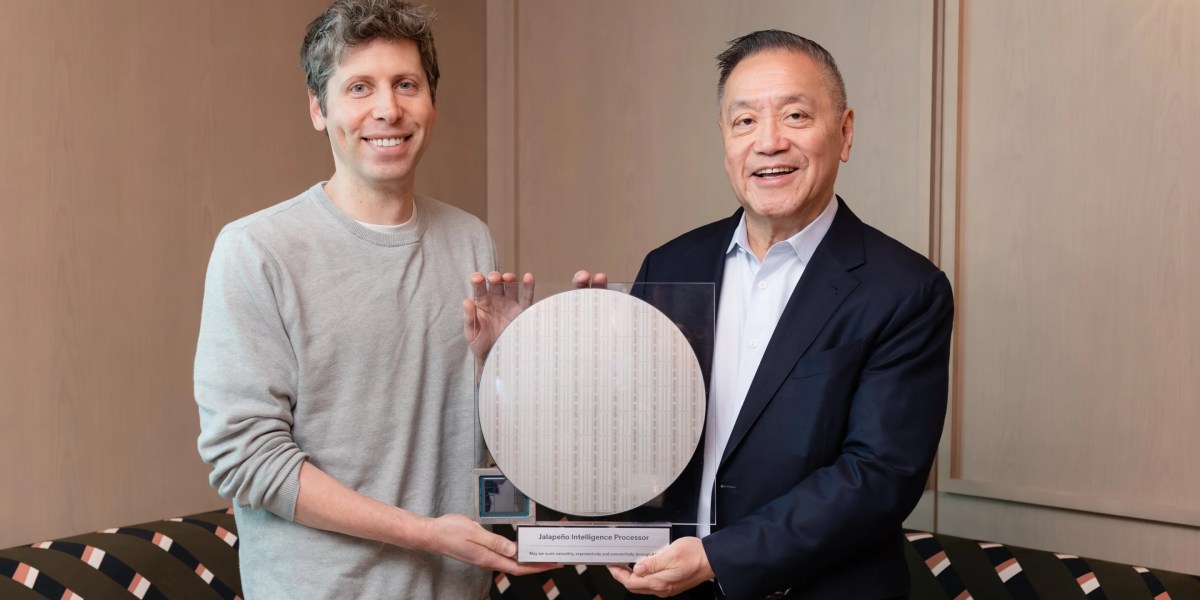
- OpenAI's compute infrastructure is heavily dependent on Nvidia GPUs, and they are developing their own chip, Jalapeno.
- Both OpenAI and Anthropic are not yet profitable and face challenges in securing funding for compute needs, with IPOs being a potential, though uncertain, solution.