From Big Sur to Santa Cruz, California is fortifying its coast for El Niño winter
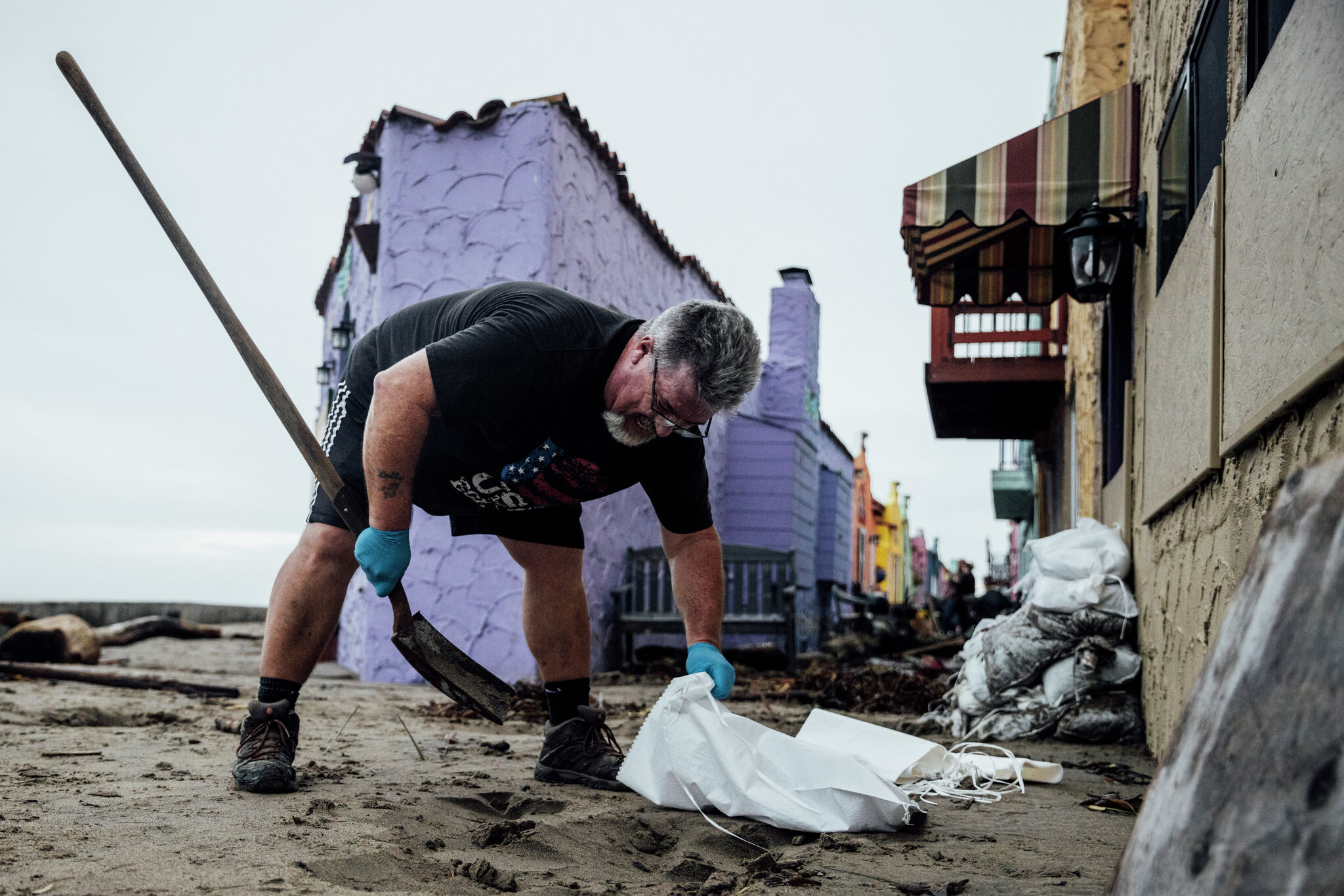
Steve Pristavok, night manager at the Capitola Venetian Hotel, replaces sandbags outside a guest room after high waves pummeled the Santa Cruz County coast in 2023. Coastal communities are preparing for more damage this year.
TL;DR
- Coastal communities along California's Central Coast are preparing for potential damage from El Niño after suffering from 2023 storms.
- Leaders are working to repair infrastructure, improve emergency response, and prepare residents for disasters.
- El Niño is expected to bring high ocean temperatures and elevated sea levels, potentially reaching 10 feet higher than normal during storm surges.
- Areas like Santa Cruz's West Cliff Drive, Capitola Village, Highway 1 south of Monterey, and Half Moon Bay beaches are anticipated to face problems.
- San Mateo County is staging emergency equipment, securing advance repair agreements, and partnering on new radar systems for weather forecasting.
- Work crews are securing bluffs and clearing creeks and culverts to prevent landslides and flooding.
- The Pacifica Municipal Pier is undergoing emergency stabilization due to heavy damage from high tides and waves.
- Santa Cruz County anticipates increased wave action affecting areas like West Cliff Drive, the Santa Cruz Wharf, Capitola, and Rio del Mar, with even the Santa Cruz Beach Boardwalk being potentially susceptible.
- The Pajaro River levee system, which failed in 2023, is undergoing a $599 million overhaul, but the project will take approximately five years to complete.
- Big Sur's Highway 1 is vulnerable due to past landslides and recent wildfires that have removed stabilizing trees and brush, increasing debris flow potential.
- The Santa Cruz Mountains are also preparing for potential road closures and prepositioning storm provisions.
- Concerns exist about the ability to recover from future disasters due to FEMA's reorganization and potential shifts in responsibility to local and state governments.