health
There’s Life Inside Earth’s Crust
Revelations about microbes living deep inside Earth’s crust are challenging scientists’ conceptions of life and how it evolves.
TL;DR
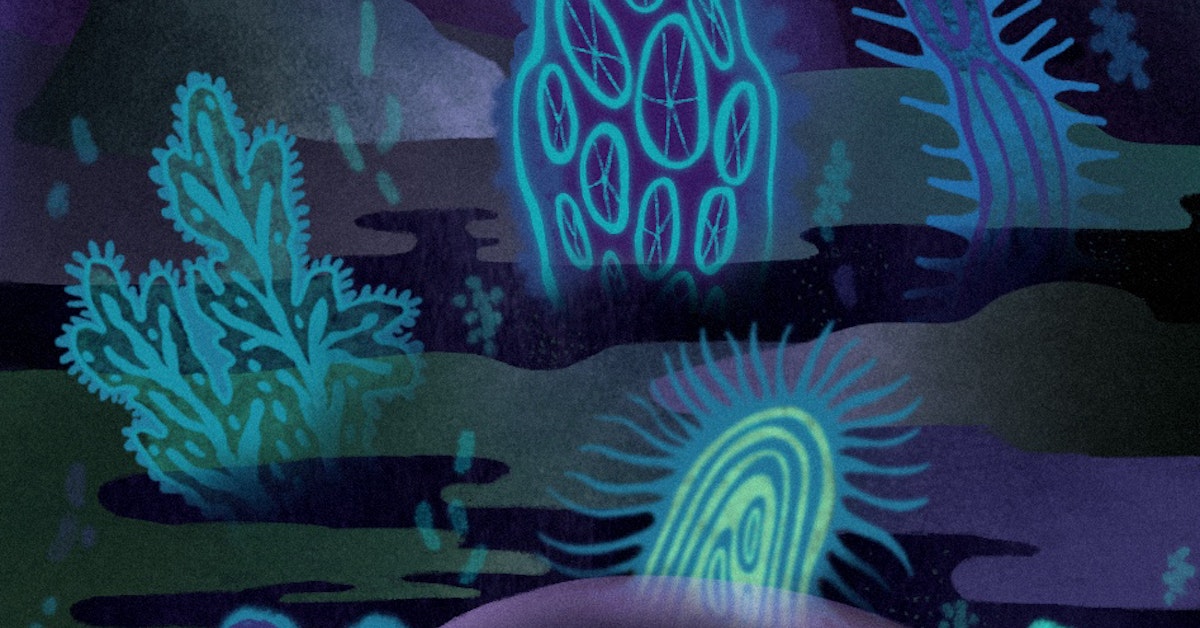
- Microbes called 'intraterrestrials' live deep within Earth's crust, surviving on chemical energy without sunlight or oxygen.
- These organisms can respire elements like uranium and arsenic and live for hundreds of thousands to millions of years, vastly longer than surface life.
- Intraterrestrials play a critical role in regulating Earth's oxygen levels, recycling nutrients, and detoxifying waste.
- Their unique biology and long lifespans may influence how Earth responds to climate change, potentially exacerbating or mitigating its effects.
- Deep-sea mining for metals essential for renewable energy technologies threatens these ancient ecosystems and their unstudied microbial inhabitants.
- Studying intraterrestrials offers insights into life's adaptability, evolutionary processes, and potential biochemical solutions for human challenges.