Microplastics in water aren’t inert and make damaging chemicals on their own
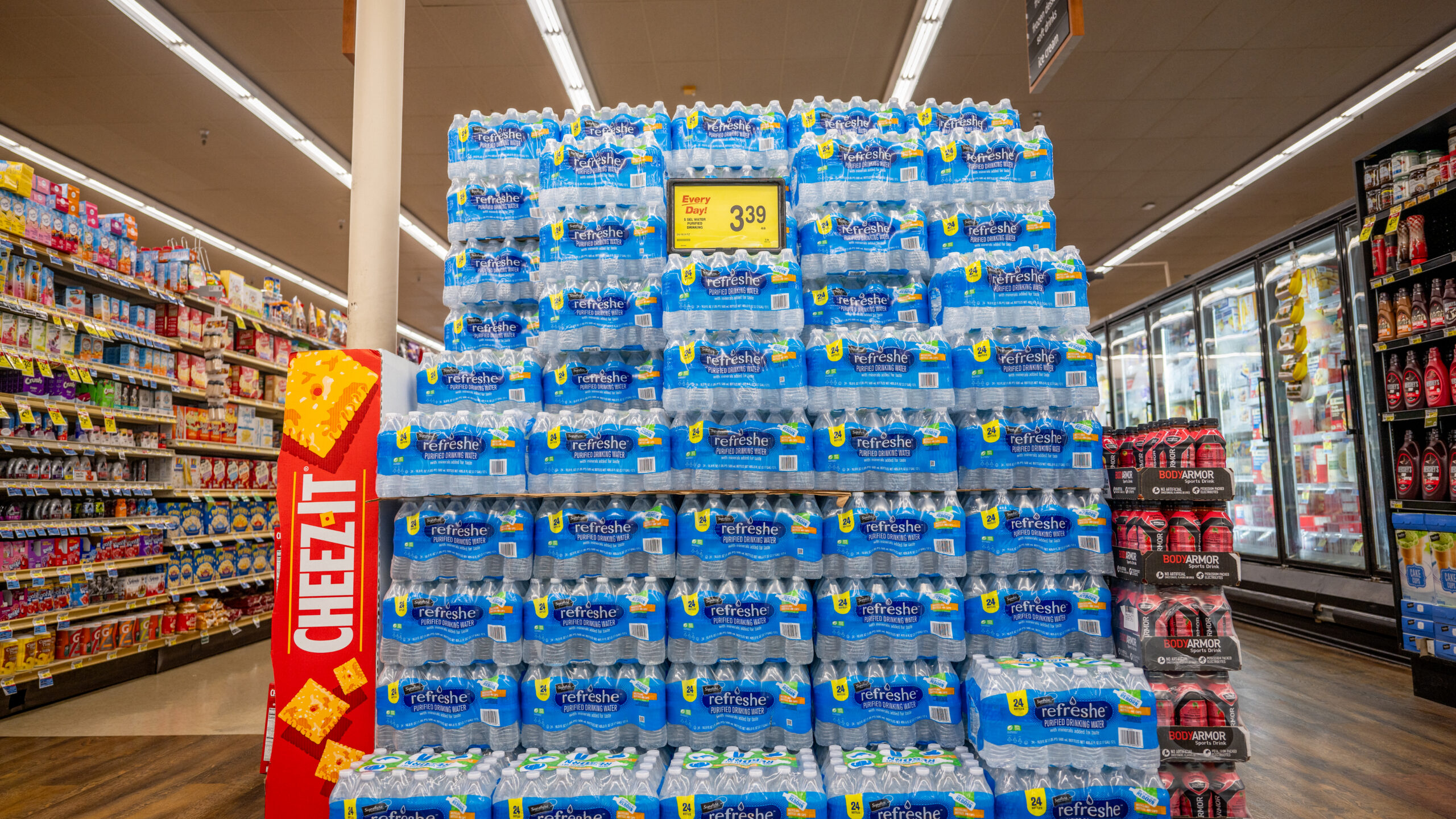
One reason plastics are used so often is that they’re chemically inert, meaning bags, food containers, and cups don’t react with what we put in them. Yet they can still break down into microplastics, which turn up in drinking water, human blood, arteries, and brains. The consequences of that are uncertain.
TL;DR
- Microplastics may not be chemically inert as commonly believed.
- The boundary between water and plastic can generate reactive oxygen species (ROS).
- Water-repellent plastics show higher radical generation.
- ROS can damage proteins and blood cells, as shown in laboratory tests.
- Further research is needed to determine the direct impact on human health and disease.