health
Parasites plagued Roman soldiers at Hadrian’s Wall
They were infected by roundworm, whipworm, and microscopic protozoans called Giardia duodenalis.
TL;DR
- Sediment analysis from Roman fort Vindolanda's sewer drains revealed parasitic eggs (roundworm, whipworm) and traces of Giardia duodenalis.
- These findings suggest Roman soldiers guarding Hadrian's Wall suffered from chronic diarrhea, nausea, and malnutrition due to poor sanitation.
- Even with communal latrines and sewer systems, parasitic transmission occurred.
- Chronic infections likely weakened soldiers and reduced their fitness for duty.
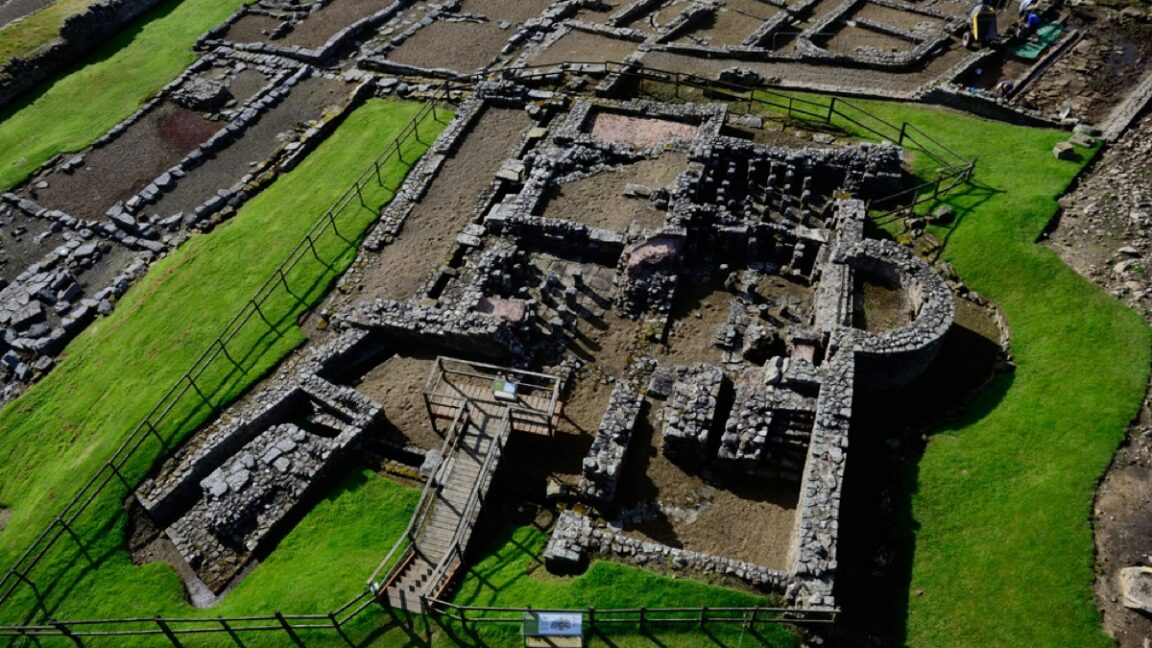
- Vindolanda's exceptional preservation makes it a key site for understanding health conditions of Roman military on northern frontiers.
- Previous paleoparasitology studies have examined ancient feces from urban centers and villas, revealing dietary changes and settlement patterns.