Does AI-Detection Software Work? We Tested 3 Popular Tools.
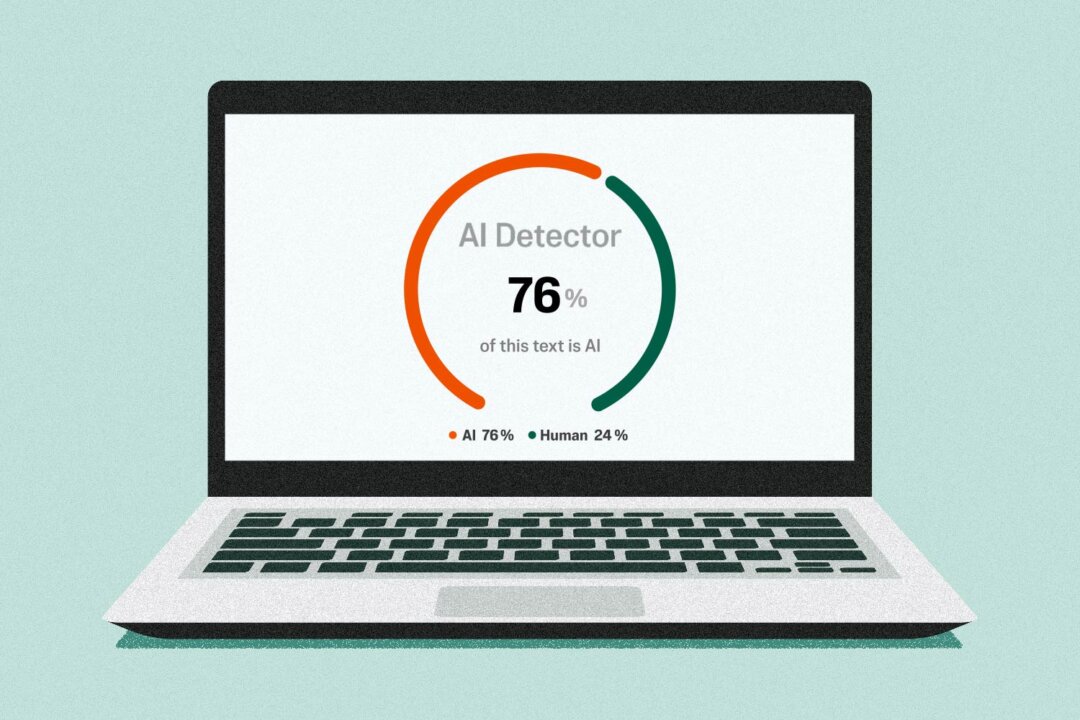
Despite high track records for accuracy, these tools shouldn’t replace human judgement, attorneys and tech insiders say.
TL;DR
- AI writing detectors are available, with some claiming very high accuracy rates.
- Attorneys warn against relying solely on AI detection scores for critical decisions, citing potential legal ramifications.
- AI experts and studies emphasize that human judgment must be part of the assessment process.
- Testing of three leading AI detection tools revealed challenges with hybrid human-AI writing samples.
- Using AI editing software like Grammarly can affect a text's AI detection score.
- Organizations should establish clear AI-use policies and look for patterns rather than single instances, pairing detection with process evidence.
- Legal risks include discrimination claims if detectors disproportionately flag certain groups, and companies remain liable for decisions made based on tool scores.
- AI detectors work by recognizing statistical signals common in machine-generated writing but cannot definitively prove authorship.
- Concerns exist about false positives (human text flagged as AI) and false negatives (AI text missed).