health
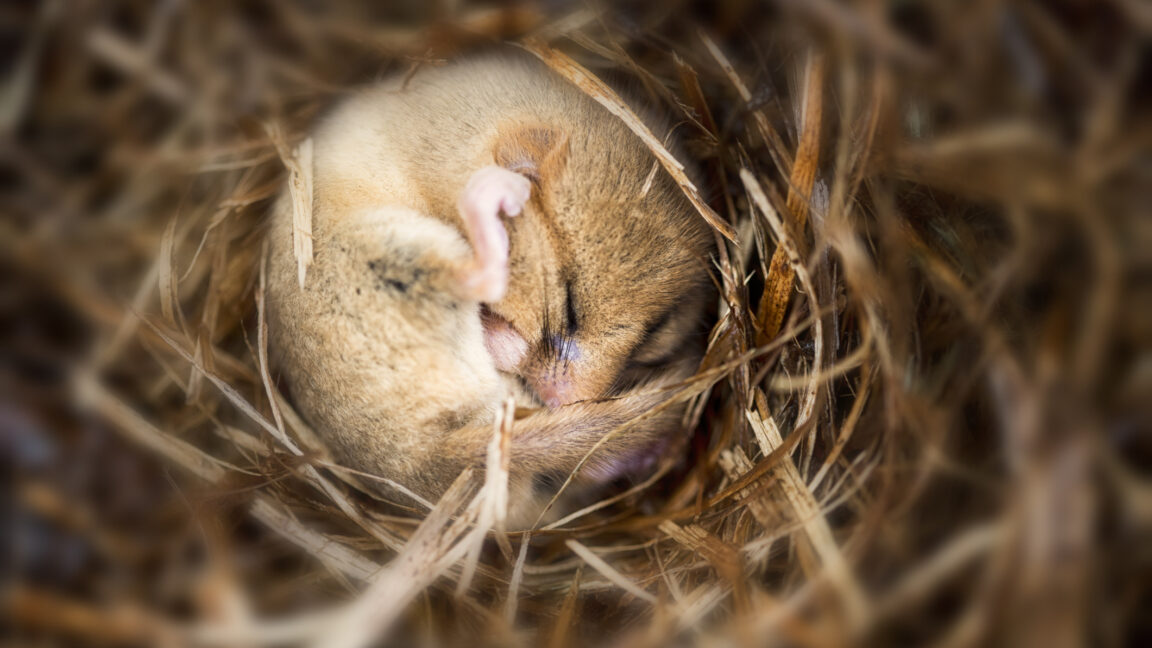
Putting mice into hibernation causes a major loss of synapses
Hibernation cuts down on synapses, but mice seem to retain memories anyway.
TL;DR
- Artificial hibernation in mice caused a loss of over half of their synapses, challenging the hypothesis that memory traces reside in individual synapse efficacy.
- Mice successfully retained memories of contextual fear conditioning and plus-maze tasks after a 48-hour hibernation-like state, performing equally well as non-hibernating control groups.
- Synapses that disappeared during hibernation reappeared in the same locations after arousal, with 82% returning to their original positions on dendrites.
- Engram synapses arranged in tight spatial clusters were preserved, while isolated engram synapses were eliminated, suggesting clustering may protect memory traces.
- Multisynaptic boutons, where one presynaptic terminal connects to multiple postsynaptic spines, were found to be associated with clustered engram synapses.
- A negative control using anesthesia and a drug blocking synaptic enlargement showed impaired memory, indicating the preserved clustered synapses are specific to memory retention.
- The study suggests that memory may not require specific synapses to survive, but rather the preservation of broader neural architecture.
- Induced hibernation in an epilepsy model suppressed seizure development, suggesting the brain might return to a default network state ('factory settings') rather than its previous configuration.