Why humanoid robots won’t catch up to human workers any time soon
A deep dive into the current state of humanoid robotics.
TL;DR
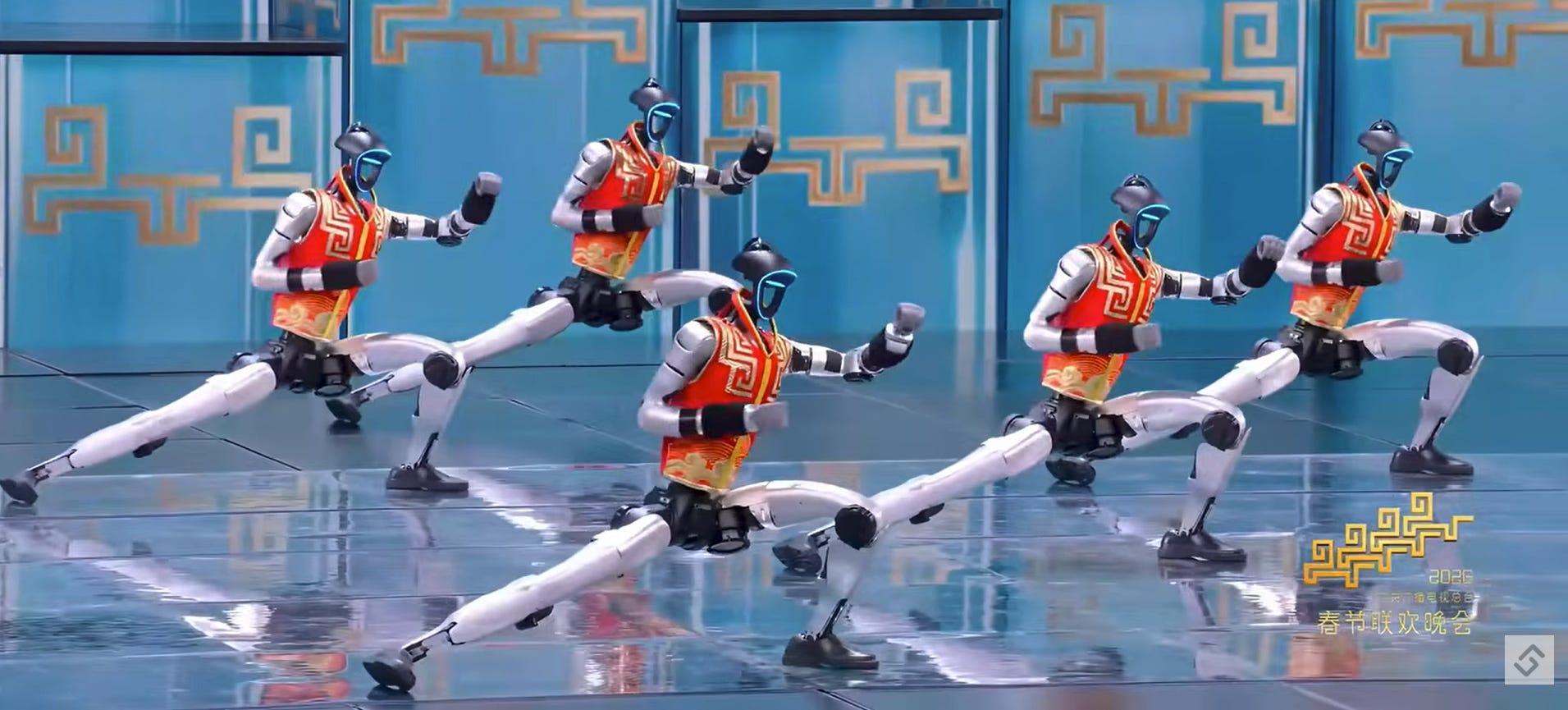
- Humanoid robots are showing impressive progress in demonstrations, such as serving drinks, performing synchronized dances, and even outrunning human speed records.
- Experts caution that many impressive robot demonstrations, like Tesla's Optimus serving drinks, may involve remote teleoperation rather than autonomous capability.
- A major challenge for humanoid robots is manipulation – interacting with and moving objects in the real world – which is significantly more complex than tasks like dancing.
- Robots struggle with generalization, the ability to adapt to new environments and tasks without extensive retraining, unlike flexible human workers.
- Long-duration tasks, which require memory and planning over extended periods, are currently beyond the capabilities of most robots.
- Safety remains a critical concern, especially for legged robots that can fall and potentially injure humans, leading to measures like safety enclosures.
- The transition from a lab demonstration to a widely deployed, reliable robot is a lengthy process, often taking a decade or more, similar to the trajectory of self-driving cars.
- Practical deployment involves overcoming numerous edge cases and real-world complexities that are difficult for autonomous systems to handle.
- While AI advancements are improving robot capabilities, significant engineering and development are still required for widespread, practical application.