tech
Can AI Free Women from the Mental Load of Caregiving?
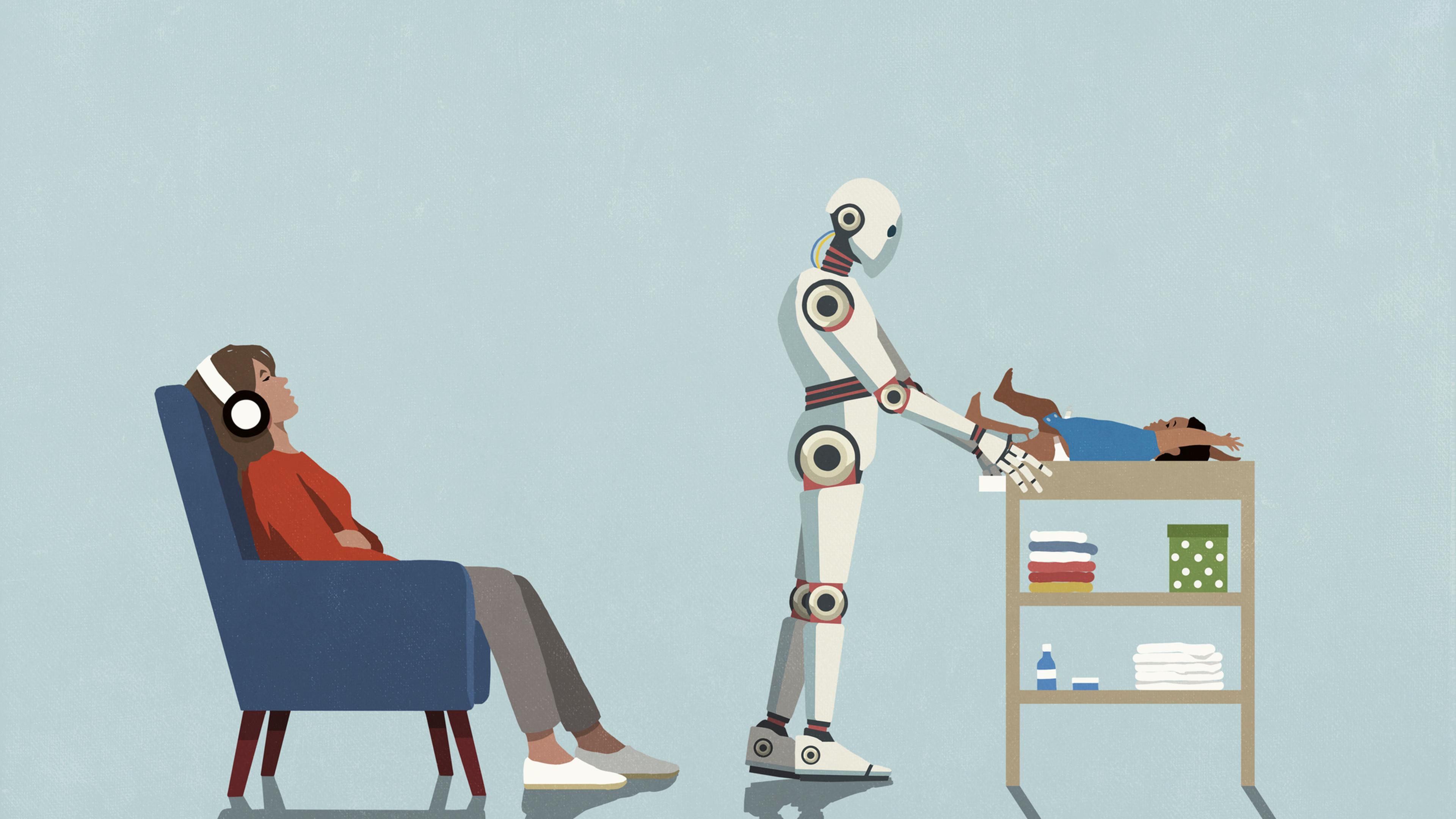
AI is disrupting the world of work. But can it disrupt gender inequality at home?
TL;DR
- Care AI aims to manage family life tasks like scheduling, monitoring, and communication, potentially easing the burden on caregivers, predominantly women.
- Women perform significantly more unpaid household and mental load work than men, leading to higher rates of depression, stress, and burnout.
- A PwC report estimates the value of AI assistive supports for unpaid household work at $330 billion, based on time savings and reduced stress.
- Historically, 'labor-saving' domestic technologies have not freed women from work but have instead raised standards and expanded responsibilities.
- The rise of 'intensive mothering' standards exacerbates the pressure on women to be perfect parents, contributing to the mental load.
- While Care AI offers benefits like convenience and improved coordination, there's a risk it could lead to even more intensive care standards and endless optimization.
- Experts suggest that cultural change, with men taking on more domestic responsibilities and women being allowed to do less, is more likely to address gender inequality at home than AI alone.