tech
The US space enterprise is desperately waiting for Starship—will it finally deliver?
“This is such a wild ride. The highs are high. The lows are low.”
TL;DR
- SpaceX's current high valuation and future plans, including IPO, orbital data centers, and AI ventures, are largely tangential to its core launch business and are predicated on the success of the Starship rocket.
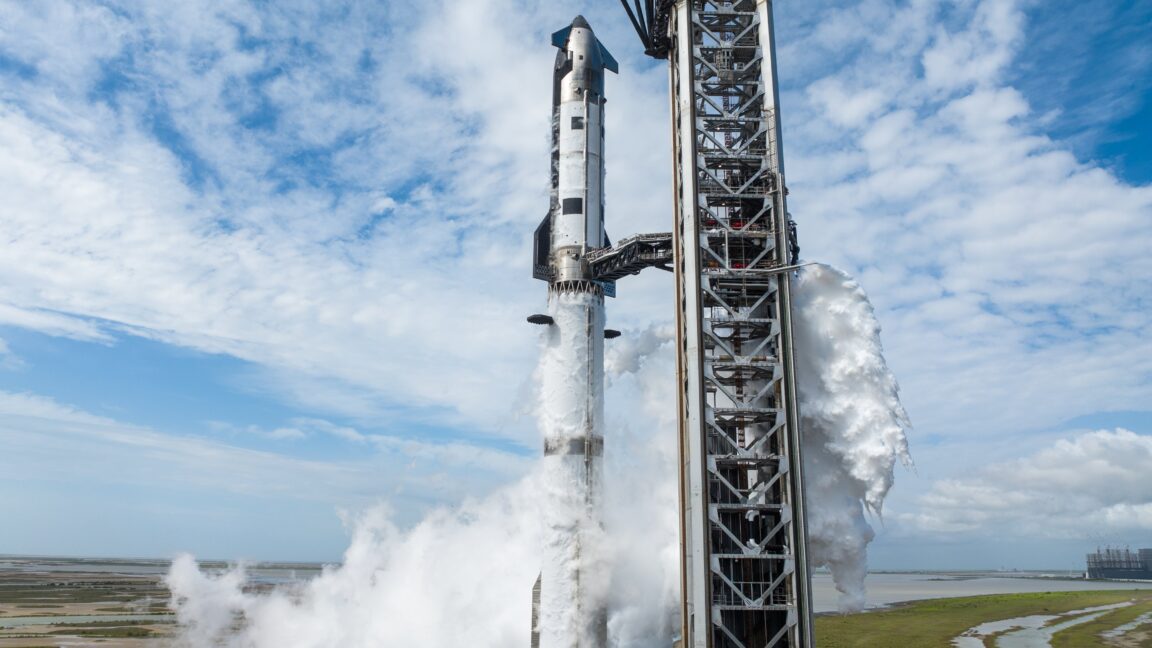
- Starship has a mixed record of success, with a significant number of test flights, substantial investment (estimated at $15 billion), and ongoing development of its V3 iteration.
- The first half of 2025 was particularly challenging for Starship, with three consecutive flights resulting in vehicle losses and debris, leading to a three-month stand-down.
- SpaceX has made substantial design changes for Starship V3, including engine modifications, integration of the hot staging ring into the booster, and a redesign of the upper stage propulsion system.
- The company is increasingly relying on Starship for its future launch initiatives, with plans to shift focus from the Falcon 9 and utilize a retired landing platform as a Starship transporter.
- The success of Starship is crucial for the US commercial space industry, which anticipates lower launch costs and increased capacity, as well as for NASA's Artemis Moon goals.
- Commercial availability of Starship is estimated by some to be as late as 2028 or 2029, but a successful V3 flight could accelerate this timeline.