How Louvre thieves exploited human psychology to avoid suspicion—and what it reveals about AI
For humans and AI, when something fits the category of “ordinary,” it slips from notice.
TL;DR
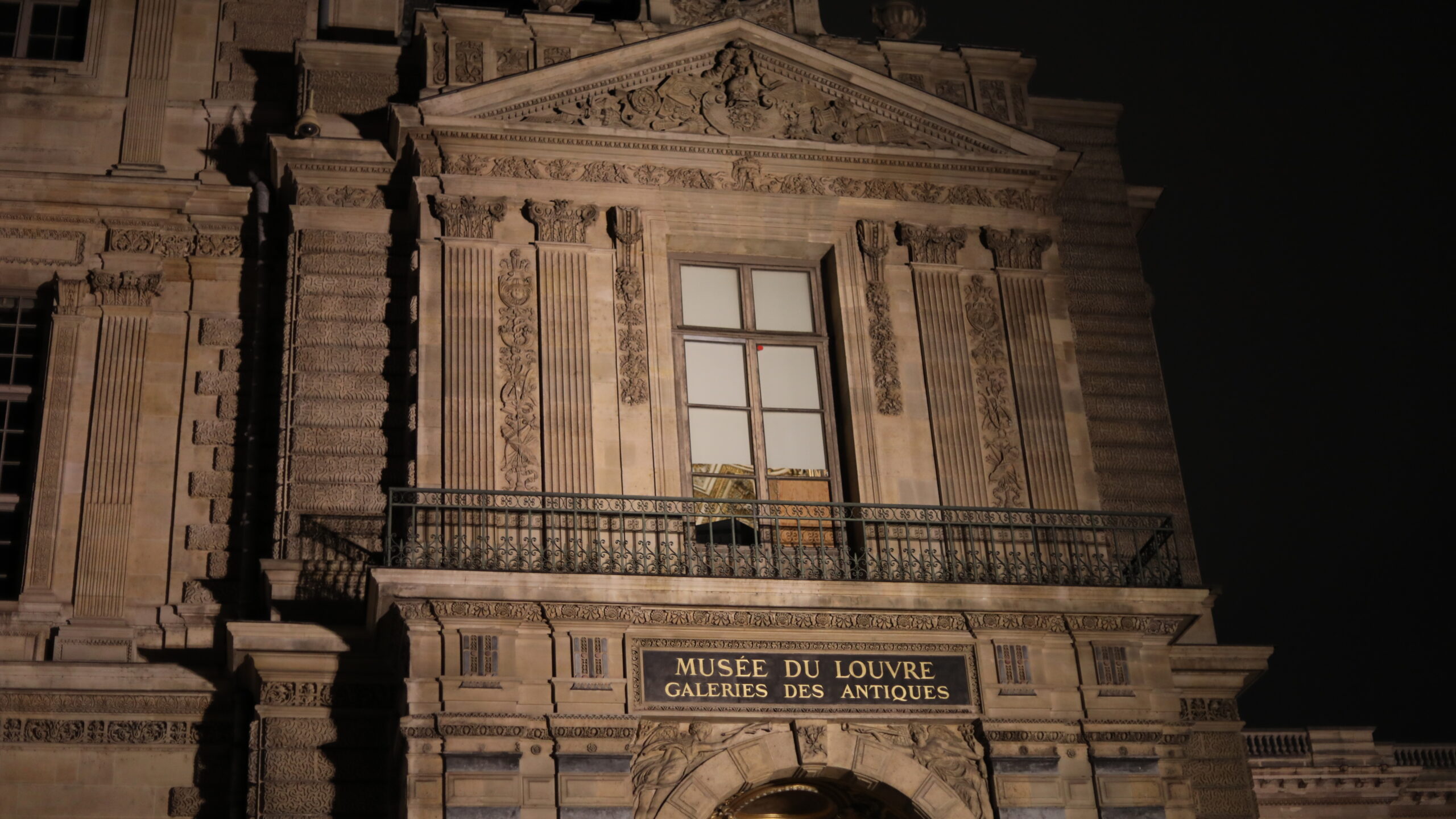
- Thieves disguised as construction workers stole 88 million euros worth of crown jewels from the Louvre in under eight minutes.
- Their success was attributed to exploiting social categories of normality, making them appear inconspicuous.
- AI systems function similarly by learning patterns from data, making them vulnerable to bias and errors in categorization.
- Both human perception and AI rely on learned patterns and categorization, which can lead to overlooking deviations or over-scrutinizing certain groups.
- The Louvre heist serves as a reminder that AI reflects our own social categories and hierarchies.
- Improving AI's perception requires first questioning human biases and assumptions in categorization.