agriculture
Extreme weather has cost California farmers over $800 million this year
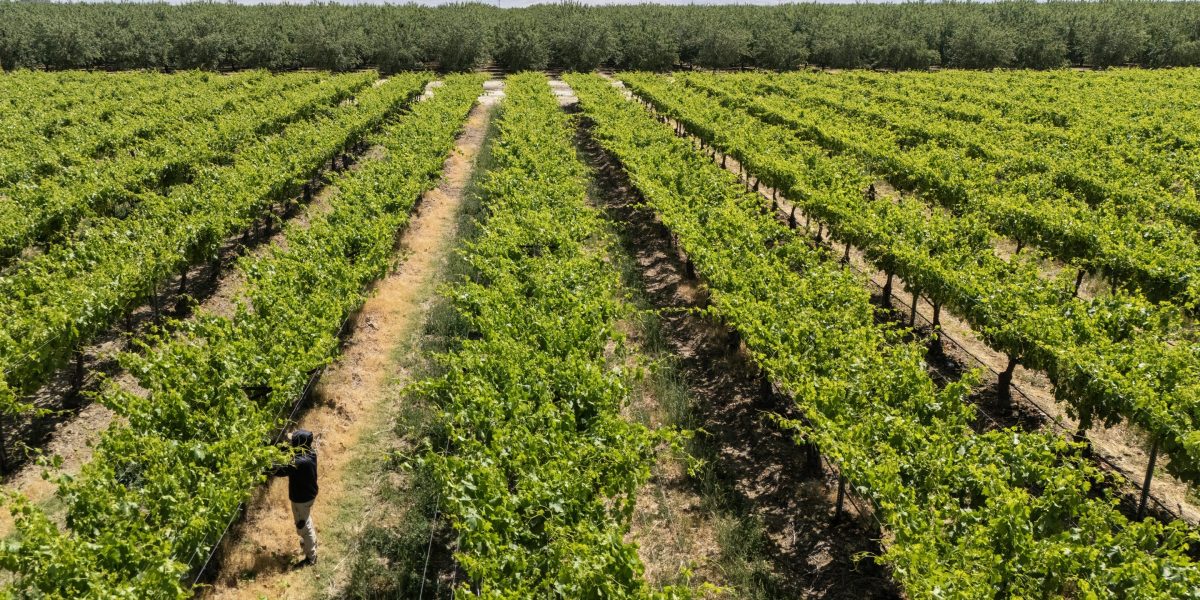
California farms and vineyards are facing a variety of issues this year, notably a drought primarily attributed to unseasonably warm spring weather, as indicated by the state's Department of Water Resources. Snow levels in the Northern Sierra and Cascade mountains have dropped to 0% of their average for June, impacting the crucial summer and fall water supply. The national weather service issued warnings for extreme heat across California, Oregon, and Washington in June. California's almond and pistachio industries are particularly affected by water restrictions and rising costs. Kern County alone reported significant losses in cherry production due to unusual weather patterns. The University of California is hosting workshops on managing crops under extreme weather conditions. California's agriculture industry, a significant contributor to the state's economy and employment, faces existential threats from extreme heat and drought, necessitating new technologies for water and labor efficiency, faster crop growth, and increased yields. Traditional farming methods are insufficient for current environmental changes, requiring innovative interventions and leadership support to maintain the state's role in global food production.
TL;DR
- California farms and vineyards are facing drought due to unusually warm spring weather, with snow levels at 0% of their June average.
- Extreme heat warnings were issued for millions in California, Oregon, and Washington in June.
- Almonds, California's top crop by acreage and exports, are facing water restrictions and higher costs for growers.
- California produces nearly all U.S. pistachios, with Fresno, Kern, and Tulare counties reporting over $800 million in losses for this crop.
- Kern County alone reported a 42% loss in cherry production, totaling over $13 million.
- The University of California is offering workshops on growing crops amidst extreme weather, heat, pests, and climate variability.
- California's agriculture industry generates over $100 billion in economic activity and supports 1.2 million jobs.
- Extreme heat and drought pose existential threats to California's specialty crop industry, requiring new technologies for water efficiency, labor reduction, and increased yields.
- State and local leaders are urged to promote innovation to support California's role in global food production.