tech
Scientific computing in the age of agentic AI
A field report shows how scientists are using coding agents to modernize scientific software for genomics and other data-rich fields.
TL;DR
- Scientific software development has been hindered by limited engineering resources and time for packaging, testing, and optimization.
- AI agents are lowering engineering costs, enabling faster prototyping, exploration of impractical projects, and improved long-term software maintenance.
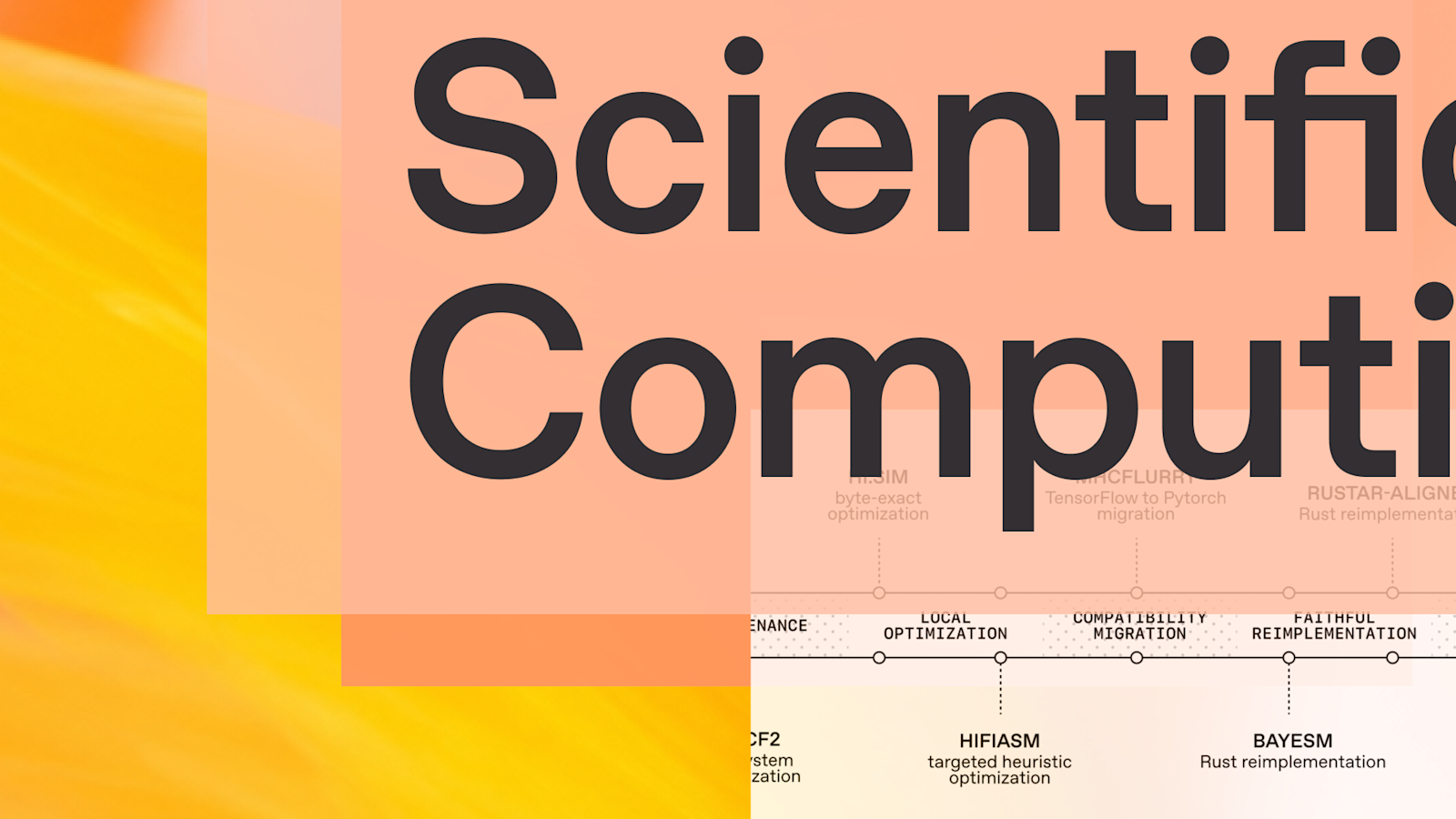
- A field report examined eight agent-assisted projects, primarily in life sciences, using agents like Codex and Claude Code.
- Contributors reported significant acceleration in software development and maintenance, with agents helping small teams tackle large tasks.
- A key challenge is establishing clear, long-term responsibility and stewardship for the software developed with agent assistance.
- The role of researchers is shifting from implementation to verification and orchestration, with humans defining goals and measuring correctness.
- Agents effectively handled specific, well-scoped requests but often expressed confidence in erroneous work, necessitating human validation.
- Projects typically proceeded in stages with feedback-driven iterations, and resolving edge cases often required significant human effort.
- Long-term stewardship is essential to maintain scientific software's reliability, reproducibility, and user trust, especially as agent-assisted rewrites could fragment tools.
- The deeper change is not just producing more software, but enabling researchers to focus more on defining, validating, and stewarding tools.