tech
Offshore Nuclear Barges Could Power Ports and Data Centers—Starting with California, Where Nuclear Is Banned
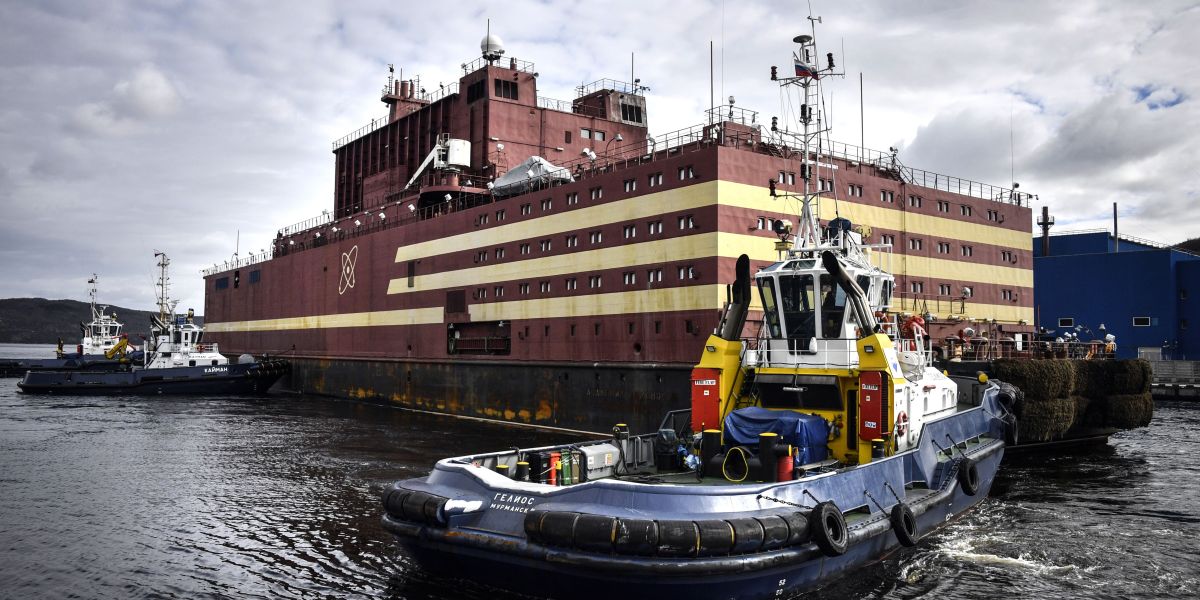
As the U.S. paves the way for a nuclear renaissance to power the AI data center boom, the next frontier is building small nuclear reactors offshore to power coastal facilities and merchant ships. Strangely, the momentum could begin in California, a state that banned building new nuclear plants 50 years ago. This summer, the Port of Long Beach signed an agreement with the Trump administration to develop next-generation small modular reactors (SMRs) that could power ports, data centers, and vessels with emission-free energy. Offshore nuclear power sounds unusual, but naval submarines and aircraft carriers have run on small nuclear reactors for decades. In 2020, Russia put the world’s first floating nuclear power station on a barge into service, powering the remote Arctic town of Pevek—population 4,000—and its harbor.
TL;DR
- The U.S. is developing offshore nuclear power using small modular reactors (SMRs) on barges.
- The Port of Long Beach, California, has signed an agreement to explore SMRs for powering ports, data centers, and vessels.
- California has banned new nuclear plants for 50 years, but legislation to study lifting the ban is being debated.
- Nuclear power is being considered for maritime shipping to reduce greenhouse gas emissions.
- Several initiatives, including MARAD partnerships and the ATLAS initiative, are advancing nuclear technology for merchant shipping.
- Bluecore Energy is a startup developing SMR barges, emphasizing their mobility and safety features.
- The economic viability and safety of offshore nuclear power, especially during extreme weather events, are key considerations.