

Areas of Agreement: Facts, Stakes, and Legal Clash
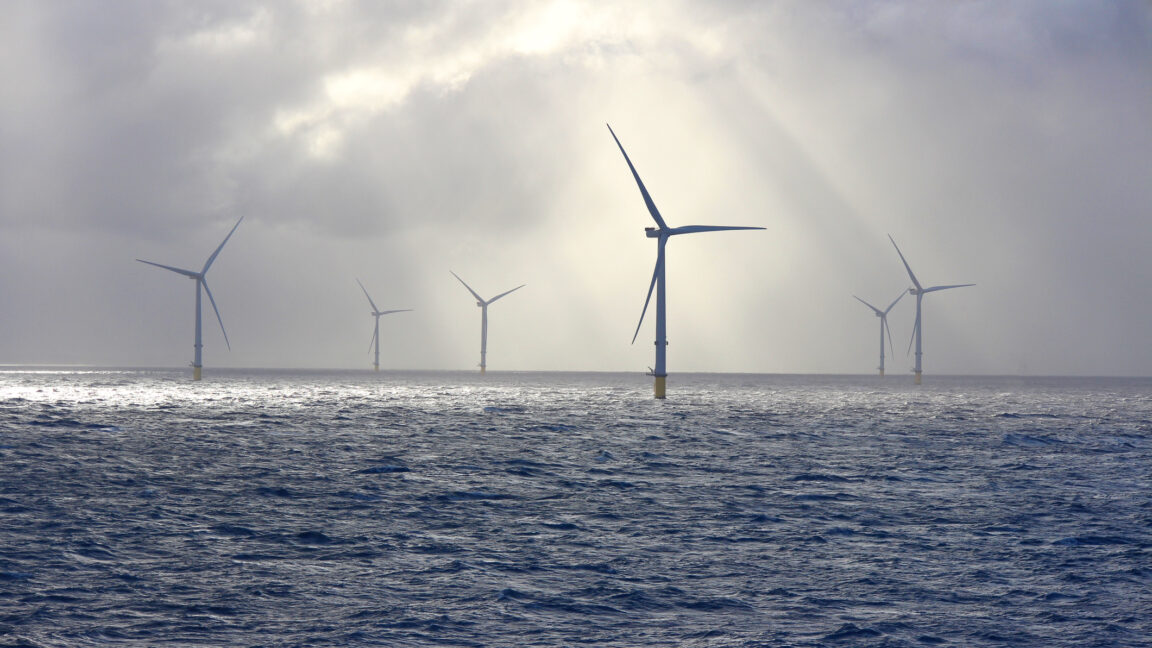
Both AI and Human coverage would likely converge on the core factual narrative: the Trump administration—via the Department of the Interior—has halted or paused multiple offshore wind projects, prompting at least one lawsuit from Dominion Energy and likely further legal challenges from affected states and developers. Human outlets emphasize that the pause affects projects already under construction, with significant installed hardware and some nearing completion, and that the administration is justifying the halt through national security concerns, including alleged radar interference and a classified Department of Defense report. Both perspectives would also agree that the stakes are high for regional energy planning and climate policy, given that these projects are seen as key to meeting surging electricity demand (notably from AI data centers and broader electrification) and that states and developers have already invested heavily and won prior legal challenges over similar attempts to slow or stop offshore wind.
Areas of Divergence: Emphasis, Framing, and Interpretation
Where AI and Human coverage would diverge is primarily in emphasis and interpretive framing. Human reporting, as shown in these articles, foregrounds the halt as part of “Trump’s war on offshore wind”, stressing a pattern of administrative hostility toward renewable energy and underscoring critics’ skepticism about the classified national security rationale. Humans also add more political and economic context, such as: - The linkage between offshore wind build-out and Virginia’s doubling electricity demand - The portrayal of the stop-work orders as sudden and legally questionable - The expectation of strong state and industry pushback
An AI synthesis, by contrast, would likely present the issue in more procedural and neutral terms, balancing national security claims and climate/energy goals without strongly adopting the “war on offshore wind” framing or speculating on the motives behind classified justifications. It would be more inclined to structure the story around: - The regulatory process and inter-agency roles (Interior, DoD, courts) - The legal standards for halting previously approved infrastructure - The range of possible national security concerns, without assigning intent. This leads to a subtler, less adversarial narrative than the human-led emphasis on conflict, political intent, and long-running opposition to offshore wind.
Conclusion
Overall, both perspectives align on the basic facts—offshore wind projects halted, lawsuits filed, high stakes for energy and climate—but Human coverage leans into political conflict and skepticism about motives, while AI coverage would be more structurally neutral, focusing on process, competing policy goals, and uncertainties around the classified security rationale.
