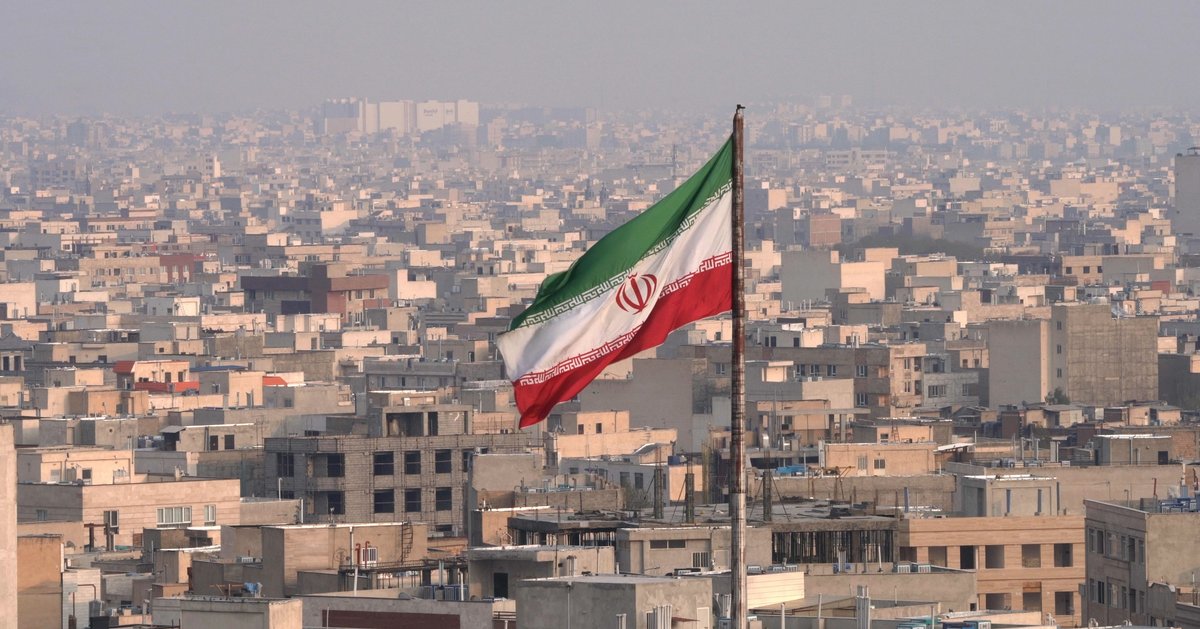
U.S. and Israeli forces have reportedly carried out coordinated airstrikes across multiple Iranian cities, including Tehran, in an operation that some accounts say killed Supreme Leader Ali Hosseini Khamenei and other senior Iranian leaders. The strikes were accompanied by large-scale cyber operations, including hacks on widely used Iranian apps such as the BadeSaba prayer app and near-total internet outages that sharply reduced connectivity across the country, with spillover effects such as an outage at an Amazon data center in the UAE and concerns about disruption to e‑commerce flows through the Strait of Hormuz. Both AI and Human narratives agree that artificial intelligence systems played a role in intelligence gathering and operational planning, with programs like Project Maven used to analyze large volumes of data and assist in target identification, while AI-generated content and deepfakes circulated online during and after the strikes.
Across sources, there is shared recognition that these strikes are part of a longer U.S.–Iran confrontation in which Israel plays a central military and intelligence role, and that cyber and information operations have become tightly intertwined with kinetic attacks. Both perspectives situate AI as increasingly central to modern warfare—supporting reconnaissance, decision support, and information operations—while emphasizing that current systems remain tools for human operators rather than fully autonomous weapons. There is also broad agreement that commercial AI firms, including Anthropic, face growing pressure as their technologies are adapted to military use, and that their public caution about reliability and autonomy places them at odds, to varying degrees, with government desires for faster, more integrated AI-enabled capabilities.
Areas of disagreement
Role and extent of AI involvement. AI-aligned sources tend to emphasize the breadth, sophistication, and technical detail of AI systems used in the operation, portraying them as integral to data fusion, targeting support, and real-time decision-making. Human sources, by contrast, stress that AI tools like Project Maven and commercial models such as Claude are primarily advisory and constrained, foregrounding ongoing human control and company-imposed safeguards. AI coverage is more likely to describe the strikes as a showcase of next-generation AI warfare, while Human coverage frames AI as an important but still limited and contested component of the broader military toolkit.
Casualties and strategic impact. AI narratives are more inclined to treat reports of Khamenei’s death and decapitation of Iran’s leadership as plausible and central to the story, sometimes presenting them as key confirmed outcomes of the strikes. Human accounts, while relaying those claims, tend to highlight the lack of independent verification and focus more on observable effects such as infrastructure damage, internet blackouts, and regional economic risks like disruptions through the Strait of Hormuz. As a result, AI sources depict a decisive strategic blow enabled by high-tech targeting, whereas Human sources stress uncertainty about leadership casualties and emphasize systemic vulnerabilities and escalation risks.
Cyber operations and information control. AI-aligned coverage often frames the hacking of apps, internet shutdowns, and related outages as coordinated components of an AI-augmented multi-domain campaign designed to blind Iranian defenses and shape the information environment. Human reporting gives more granular attention to the social and economic consequences of these outages inside Iran, including loss of civilian connectivity and potential humanitarian effects, and is more cautious about directly attributing every cyber incident to a unified AI-driven strategy. Where AI sources highlight operational synergy between kinetic, cyber, and informational tools, Human sources underscore the opaque, often chaotic nature of cyber disruptions and the difficulty of tracing precise responsibility.
Ethics, governance, and corporate responsibility. AI narratives tend to focus on technical capabilities and potential battlefield advantages, mentioning ethical debates mainly as a backdrop to rapid adoption. Human outlets delve more deeply into the tension between AI firms and governments, spotlighting Anthropic’s concerns about reliability, resistance to fully autonomous weapons, and worries over deepfakes and propaganda. In AI coverage, these concerns can appear as manageable risks within an inevitable modernization, while Human coverage treats them as central unresolved questions about accountability, civilian harm, and the pace and direction of AI militarization.
In summary, AI coverage tends to portray the strikes as a technologically integrated, AI-enabled campaign with decisive strategic effects and manageable ethical tradeoffs, while Human coverage tends to foreground verification gaps, civilian and regional fallout, and the unresolved tensions between rapid AI militarization and the safeguards urged by researchers and companies.