Human
BMW: Harnessing Amazon's AI Architecture for Next-Gen Cars
BMW has become the first automaker to integrate Amazon’s Alexa Custom Assistant, deploying conversational AI to redefine the in-car digital experience
a day ago
BMW and Amazon are jointly introducing a new in-car digital assistant that embeds Amazon’s generative AI and large language models into upcoming BMW vehicles, with both AI and Human coverage agreeing that this represents a step-change from traditional, command-based voice systems. Reports align that the experience will be more conversational and context-aware, allowing drivers to ask follow-up questions and receive natural-sounding responses that take into account driving context and previous queries, and that the first wave of deployment is tied to BMW’s Neue Klasse lineup, including models like the iX3 and the new i3 sedan.
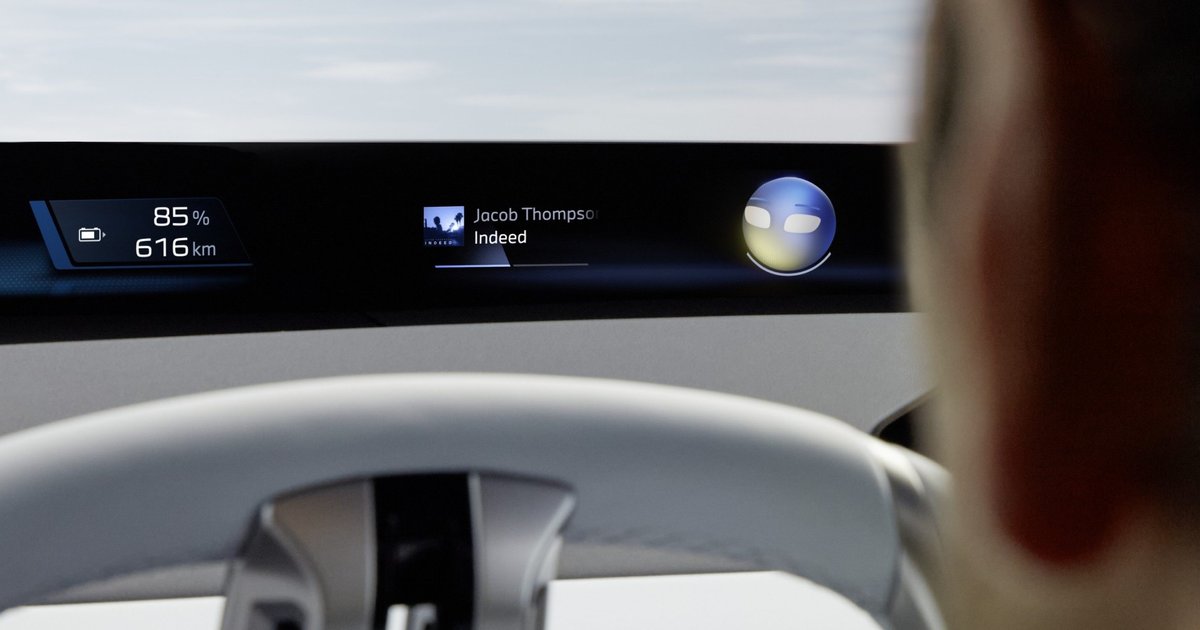
Both perspectives also agree that this move is part of a broader industry shift toward highly connected electric vehicles and software-defined cars, where digital assistants are central to user experience and brand differentiation. They concur that BMW is leveraging Amazon’s Alexa Custom Assistant platform, using it as a foundational architecture rather than simply embedding a consumer Alexa device, and that this fits with BMW’s strategy of combining advanced hardware (EV platforms, long-range batteries, fast charging) with immersive digital interfaces such as Panoramic Vision and AI-driven voice control.
Strategic significance. AI-aligned coverage tends to frame the integration primarily as a showcase of generative AI’s technical capabilities and Amazon’s platform strategy, portraying BMW largely as an adopter validating the maturity of Alexa’s automotive stack. Human coverage, by contrast, emphasizes BMW’s use of the technology as part of a broader product and design story—connecting it to specific models, interior layouts, and user-experience choices that reflect BMW’s own strategic priorities.
User experience emphasis. AI sources typically highlight the natural-language and contextual reasoning aspects of the assistant, focusing on how large language models enable multi-turn conversations, better intent recognition, and system integration across vehicle functions. Human outlets place more weight on how this capability is embedded in the cabin, tying voice control to visual interfaces like Panoramic Vision and to the daily routines of EV drivers, including navigation, charging management, and infotainment, making the assistant one feature among many in a holistic cockpit experience.
Business framing and partnership dynamics. AI coverage often presents the story as part of a larger narrative about cloud and AI ecosystems, discussing how Alexa Custom Assistant can be replicated across automakers and positioning Amazon as a core infrastructure provider. Human reporting tends instead to frame Amazon as one partner within BMW’s own technology stack, focusing on BMW’s control over branding and UX and treating the Alexa integration as a component of BMW’s competitive differentiation in the EV and premium segments.
Risk and consumer reception. AI-oriented accounts usually underplay potential downsides, briefly noting privacy or distraction concerns while centering on innovation, personalization, and technical progress. Human coverage is more likely to connect the assistant to consumer attitudes toward in-car tech—highlighting that EV buyers are particularly receptive to connectivity, but also hinting at questions about data handling, reliability, and whether ever-more complex interfaces enhance or complicate driving.
In summary, AI coverage tends to spotlight the technical leap in generative AI and Amazon’s platform ambitions, while Human coverage tends to ground the story in BMW’s product lineup, interior design, and the lived experience of EV drivers.