Human
Marked-up Mac minis flood eBay amid shortages driven by AI
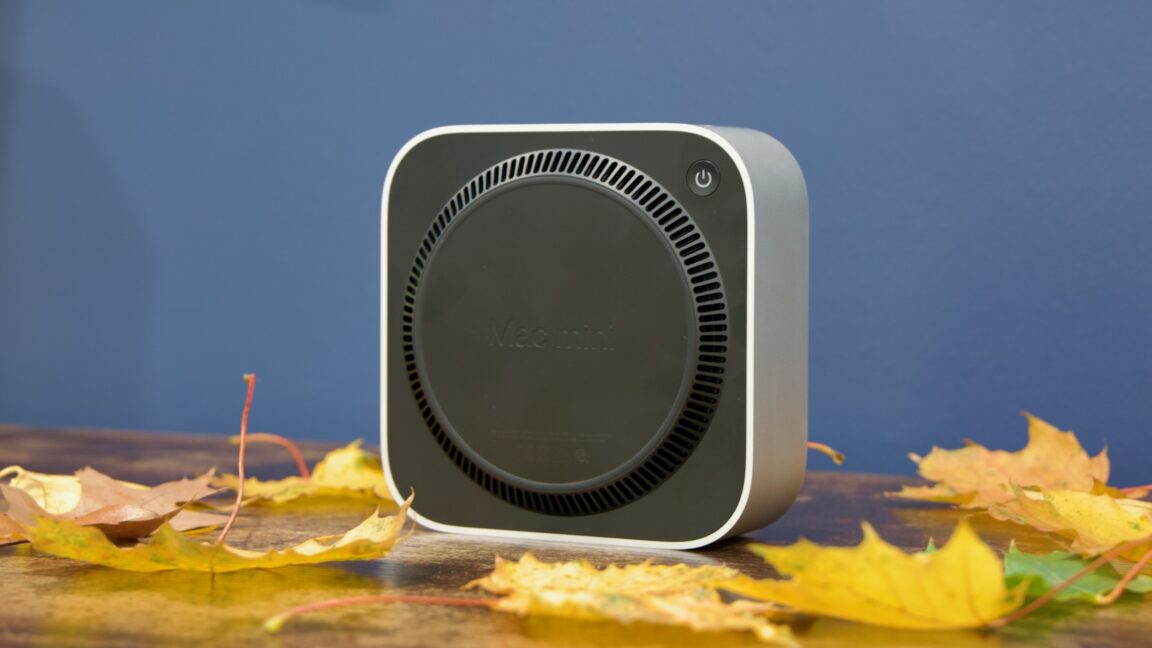
Apple’s sold-out Mac mini is spawning marked-up eBay listings as demand surges for the compact desktop, now favored for running local AI models and tools.
8 days ago
Apple’s recent earnings commentary and follow‑up reporting agree that several Mac desktop models, especially the M4 Mac mini and Mac Studio, have become difficult to buy, with many configurations flagged as sold out, “currently unavailable,” or facing long shipping delays in official channels. Both AI and Human coverage concur that this scarcity is being linked to surging demand for AI workloads on consumer hardware—particularly for on‑device inference and small-scale training—and compounded by broader constraints in memory and component supply chains. The result has been a spillover into secondary markets like eBay, where base‑model Mac minis are being resold at marked‑up prices, and Apple has openly guided investors to expect continued supply tightness for specific Mac lines in the coming quarter.
Across sources, there is shared context that Apple’s newer M‑series desktops, with higher unified memory ceilings and better GPU and NPU capabilities, line up well with the current wave of interest in running generative and other AI models locally. Both perspectives highlight macro factors such as elevated global demand for high‑bandwidth memory, competition with data‑center AI builds for similar components, and Apple’s own product cycle, including anticipated M5 refreshes, as contributing background conditions. There is also agreement that Apple is attempting to ramp production and optimize configurations to recover supply, and that future hardware revisions—along with maturing on‑device AI software ecosystems—are expected to gradually ease the current bottlenecks.
Primary cause framing. AI coverage tends to describe the shortages as a straightforward consequence of booming AI demand, often framing Mac minis and Studios as “AI boxes” whose popularity simply exceeded Apple’s expectations, with supply chain issues treated as secondary. Human coverage gives more weight to a mix of factors, stressing not just the AI craze but also ordinary product‑cycle dynamics, rumored M5 refreshes, and tight global memory supplies that would have created constraints even without AI‑specific demand. As a result, AI accounts often sound more like a story of runaway AI enthusiasm, while Human reporting emphasizes a confluence of AI and non‑AI forces.
Apple’s preparedness and miscalculation. AI sources typically suggest Apple was broadly prepared for AI‑era demand but slightly underestimated the speed and scale at which developers and enthusiasts would pivot to on‑device setups, framing the issue as an optimistic surprise rather than a planning error. Human outlets are more explicit that Apple itself said it was “surprised” by the AI‑driven spike, and some imply that the company misjudged configuration mix (especially higher‑RAM models) and desktop demand relative to laptops. Where AI coverage tends to portray this as an enviable demand problem, Human reporting is more willing to characterize it as a notable forecasting miss with real short‑term customer friction.
Consumer guidance and near‑term impact. AI coverage generally encourages readers to see the shortages as proof that these Macs are strong AI machines worth hunting down, sometimes downplaying the frustration of delays and resellers by focusing on benchmarks, model capacity, and use cases. Human coverage is more cautionary, highlighting extended wait times, inflated resale prices, and advising some users to postpone purchases until after expected hardware refreshes or improved stock levels. Thus AI narratives often treat scarcity as a validation of product-market fit, while Human narratives foreground practical buying advice and the risk of overpaying in a constrained market.
Long‑term implications for Apple’s AI strategy. AI sources often extrapolate the shortages into a bullish thesis that Apple is rapidly becoming a key platform for edge AI, suggesting that strong Mac demand signals durable momentum for on‑device intelligence across Apple’s ecosystem. Human sources, while acknowledging the strategic relevance, are more circumspect, treating the episode as one early data point amid unresolved questions about Apple’s broader AI competitiveness versus rivals investing heavily in cloud and hybrid AI. Consequently, AI coverage leans toward reading current demand as a strong vote of confidence in Apple’s AI future, whereas Human coverage frames it as important but not yet definitive evidence.
In summary, AI coverage tends to amplify the narrative that AI enthusiasm is directly propelling Macs into short supply and uses that scarcity as a bullish signal about Apple’s AI trajectory, while Human coverage tends to present a more qualified picture in which AI demand is one driver among several, emphasizing forecasting gaps, supply chain limits, and practical buying considerations.