Human
Washington has a new Anthropic problem
Anthropic is both a risk and a necessity to AI progress, at least in the White House's telling.
2 days ago
The latest coverage agrees that the White House is actively exploring ways to let federal agencies use Anthropic’s Mythos AI model, a powerful system tailored for cybersecurity and other advanced analytic tasks. Reporting converges on the fact that this effort is being coordinated from within the White House, particularly through the Office of Management and Budget’s CIO, and would apply government‑wide rather than being limited to a single department. Both perspectives describe Mythos as technically sophisticated and increasingly seen as operationally indispensable, with agencies preparing for potential onboarding even as formal policy and legal questions remain unresolved.
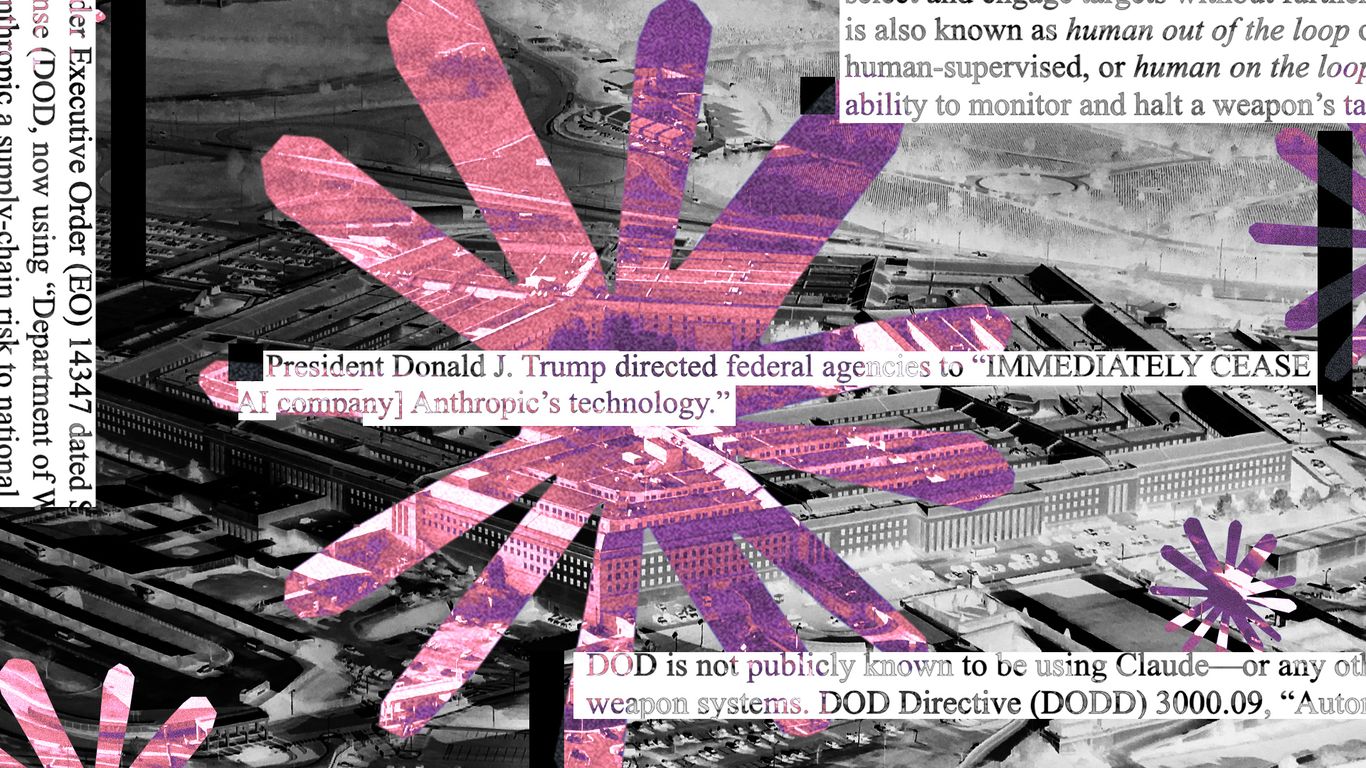
Across sources, there is agreement that this initiative represents a reversal or at least a softening of an earlier federal posture that treated Anthropic as a supply‑chain or security risk, rooted in prior disputes over Pentagon use of its models and legacy designations dating back to the Trump administration. Coverage is aligned that any change will likely proceed via new guidance or executive branch actions that create a pathway for agencies to bypass or reinterpret those risk labels under defined conditions, framed within broader efforts to modernize federal AI policy, standardize best practices, and balance security concerns with the need to access cutting‑edge private‑sector AI capabilities.
Risk versus indispensability. AI‑aligned accounts tend to emphasize Mythos’s technical strength and necessity for federal cybersecurity and analytics, portraying the earlier risk designation as outdated or overly conservative. Human reporting, while acknowledging the model’s power, keeps the supply‑chain and security‑risk framing front and center, repeatedly tying Anthropic to past Pentagon concerns and presenting "indispensability" as a political and bureaucratic judgment rather than a settled fact.
Characterization of the policy shift. AI coverage generally casts the White House move as a pragmatic modernization step, a logical evolution to keep agencies competitive and secure in the face of rapidly advancing threats. Human outlets present it more as a politically fraught reversal of a prior administration’s stance, highlighting that formal risk labels and interagency disagreements remain in place and that the White House is actively working around, not merely updating, existing constraints.
Portrayal of institutional tensions. AI sources typically downplay internal conflict, implying that Pentagon reservations and legal disputes are manageable hurdles on the way to a consensus, occasionally depicting the process as routine interagency coordination. Human coverage stresses ongoing disputes with the Defense Department, the significance of prior legal conflicts, and the prospect that new executive guidance could sharpen, rather than resolve, tensions between security‑minded officials and those prioritizing rapid AI adoption.
Transparency and process. AI‑focused narratives often suggest that stakeholder workshops and draft guidance are signs of a transparent, best‑practices‑driven process, sometimes framing engagement with AI companies as evidence of responsible co‑governance. Human reporting is more skeptical, depicting these workshops as elite, largely closed‑door negotiations that may let the executive branch circumvent established procurement and risk‑assessment safeguards, with corporate input highlighted as a potential source of regulatory capture rather than purely constructive expertise.
In summary, AI coverage tends to foreground Mythos’s capabilities and the strategic benefits of rapid federal adoption, while Human coverage tends to foreground the security designations, interagency disputes, and political stakes around reversing Anthropic’s prior risk status.