Human
Google’s taking a big swing at AI health with the Fitbit Air
Posts from this topic will be added to your daily email digest and your homepage feed.
4 days ago
Google is ripping out Fitbit’s familiar guts and replacing them with a stripped‑down tracker, a new Health app, and yet another AI subscription—hoping people will let Gemini whisper coaching tips from their wrist.
For a decade, Fitbit and then Google chased the smartwatch dream: glowing rectangles, app stores, notifications. Now they’re swerving back to basics. Early Fitbits launched as barebones step counters; in 2026, Google is effectively rebooting that idea with a small plastic puck called Fitbit Air and a companion Google Health app that will eventually displace the Fitbit app entirely.
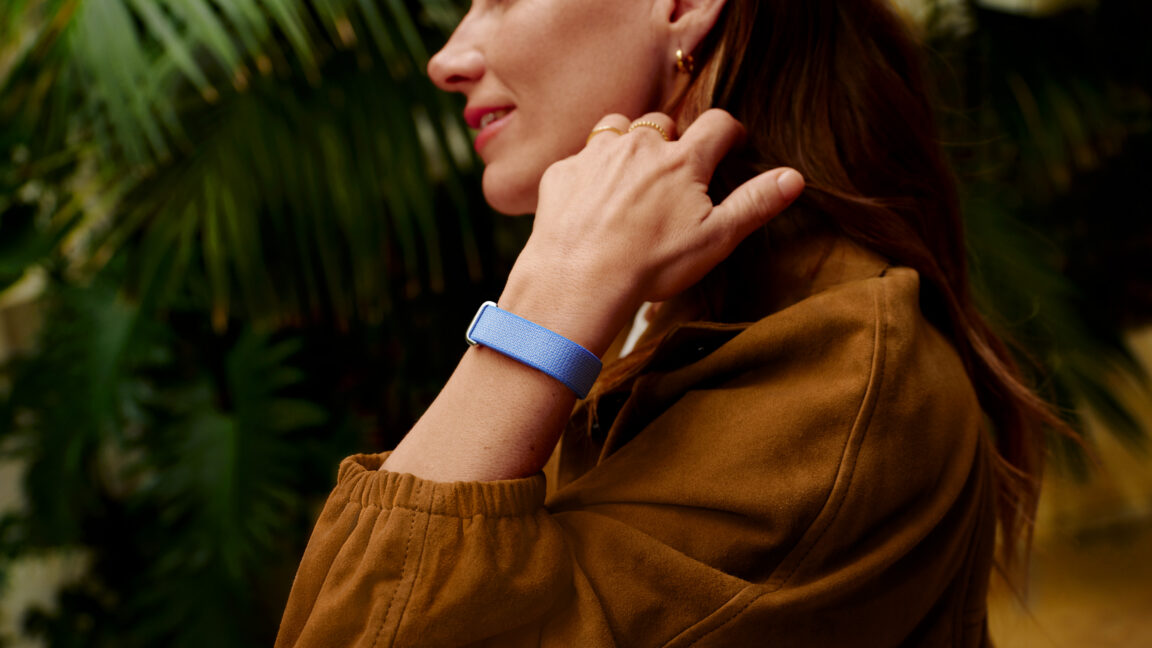
The Fitbit Air is a $99.99, screenless fitness tracker designed to disappear into bands and clothing while continuously streaming health metrics to your phone. Its job isn’t to entertain you—it’s to feed data into Google’s new health platform and, if you pay up, into Gemini‑powered coaching.
On May 7, Google officially unveiled the Fitbit Air alongside the Google Health app, marking its first major Fitbit‑branded hardware in four years and a clear shift in strategy. The basic pitch: a tiny sensor “puck,” about 1.4 inches long, slots into fabric or silicone bands and keeps its sensors pressed against your skin, but there’s no screen on top, no watch face, no glowing notifications—just data.
The design follows a broader wearables trend led by companies like Whoop and Hume, whose products are “designed as data trackers first and foremost without so much as a clock.” Instead of trying to be a wrist‑bound smartphone, the Air is unapologetically a sensor node.
Google is leaning into style to sell that compromise. The company is offering “plenty of colors and style options,” including a special‑edition version tied to NBA star Steph Curry, after weeks of chatter about the player being spotted with a mysterious screenless Fitbit.
Under the fabric, the Air tracks the usual fitness‑band staples: activity, sleep, heart rate, breathing rate, and other basic health metrics. Unlike many modern wearables, you can use it on either iOS or Android “without a paid subscription if all you want to do is track” those core stats.
The product isn’t just hardware. Google is simultaneously rolling out the Google Health app on iOS and Android, which is set to replace the Fitbit app as the primary dashboard for your stats. Where Fitbit historically emphasized steps, badges, and social challenges, Google Health aims for “deep, personalized health metrics so you can get even more out of your tracker.”
Embedded in that promise is Google’s real play: an AI Health Coach powered by its Gemini models. The coach is meant to digest your sleep, activity, and recovery data and spit out tailored suggestions about how to train, rest, and improve your overall habits.
The AI Health Coach isn’t free. Fitbit Air purchases include a three‑month Google Health Premium trial, “which includes the AI coach,” after which users can expect to pay a monthly fee. The broader offer for Gemini‑driven features is positioned at $9.99 per month, promising “features that aim to help you make improvements to your workouts and recovery.”
On the same day as the official unveiling, coverage framed the announcement as more than a gadget refresh. One early analysis described it bluntly: “Google’s taking a big swing at AI health with the Fitbit Air,” arguing that the tracker and app are really a vehicle for Google’s long‑term ambitions in algorithmic health guidance.
From this vantage point, the Air is the on‑ramp. Get the sensor onto as many wrists as possible; funnel data into Google Health; then upsell users on Gemini‑powered coaching as the differentiator.
A day later, on May 8, Google and its retail partners started fleshing out the commercial strategy. The Fitbit Air officially goes on sale May 26 for $99.99, but preorders opened with a series of sweeteners.
Every Air comes with a textile / polyurethane band, but if you preorder, you can upgrade your wardrobe:
The band‑heavy marketing underscores Google’s fashion‑meets‑invisibility pitch: this isn’t a mini‑smartphone on your wrist; it’s a quiet accessory that happens to be constantly surveilling your vitals for you.
Google is betting that one of the reasons smartwatches “never quite became a must‑have device” is that people don’t want to manage yet another bright, battery‑hungry screen strapped to their body. Smartwatches “need to be charged often and aren’t always very comfortable,” a friction that makes 24/7 wear and long‑term data collection harder.
The Air tackles that by being smaller, lighter, and more flexible in how you wear it—slotted into different bands, hidden under fabric, focused purely on sensing. In theory, that makes it easier to collect the continuous streams of sleep and recovery data that AI coaches require.
The trade‑off is control and immediacy. With no screen, everything meaningful happens in the Google Health app: glanceable stats, historical trends, and, crucially, Gemini’s feedback loops. For users who liked glancing at their wrist instead of their phone, this is a step backward. For people who abandoned smartwatches because they were annoying mini‑phones, it could be a relief.
Viewed chronologically, the narrative is tight:
What emerges is a classic platform strategy: the $99.99 tracker is priced to be accessible, even sweetened with extra bands and store credit. But the real revenue engine is the $9.99‑a‑month tier for Gemini‑powered features—coaching, insights, perhaps future add‑ons—layered on top of that hardware base.
In other words, the Fitbit Air is less an endpoint product and more a Trojan horse for getting users into Google Health Premium.
Hardware‑first observers focus on the evolution of wearables. Seen in that light, the Air is part of a broader consolidation around screenless trackers that promise better comfort, battery life, and 24/7 wear. Compared with earlier Fitbits and Android smartwatches, the Air is a retreat from the idea that a watch should be a tiny phone—and a bet that people want sensors, not screens.
Platform‑focused analysts see the app transition as the real story. Dropping the Fitbit app in favor of Google Health centralizes all that historical Fitbit data under a broader Google health umbrella, with AI sitting on top as the interpretation layer. For Google, that’s a move toward a unified health stack that looks less like a gadget line and more like a long‑term services business.
Deal‑hunters and everyday buyers are likely to care less about strategic arcs and more about launch logistics. For them, the crucial details are that the Air works on both major mobile platforms without forcing a subscription for basic tracking, costs under $100, and includes tangible preorder perks like a second band or $35 in credit.
AI skeptics, meanwhile, will focus on the subscription creep: health data that used to translate into simple charts and step counts now increasingly funnel into paywalled “insights.” While the Air can function as a plain tracker, the marketing gravity is clearly toward Gemini‑interpreted everything.
Google promises full reviews of the Fitbit Air experience soon, with early testers already “readying the new Google Health app for launch on iOS and Android.” Once the trackers actually start shipping on May 26, the real test begins: will users embrace a world where their most intimate health nudges don’t come from their doctor, or even from their own interpretation of a graph, but from a cloud‑based AI looking at a silent puck under their sleeve?
Right now, the only thing that’s clear is Google’s direction of travel. The smartwatch era was about making your phone smaller. The Fitbit Air era is about making your health data bigger—and letting Gemini decide what it means.