
Agreement: Core Features and Strategic Context
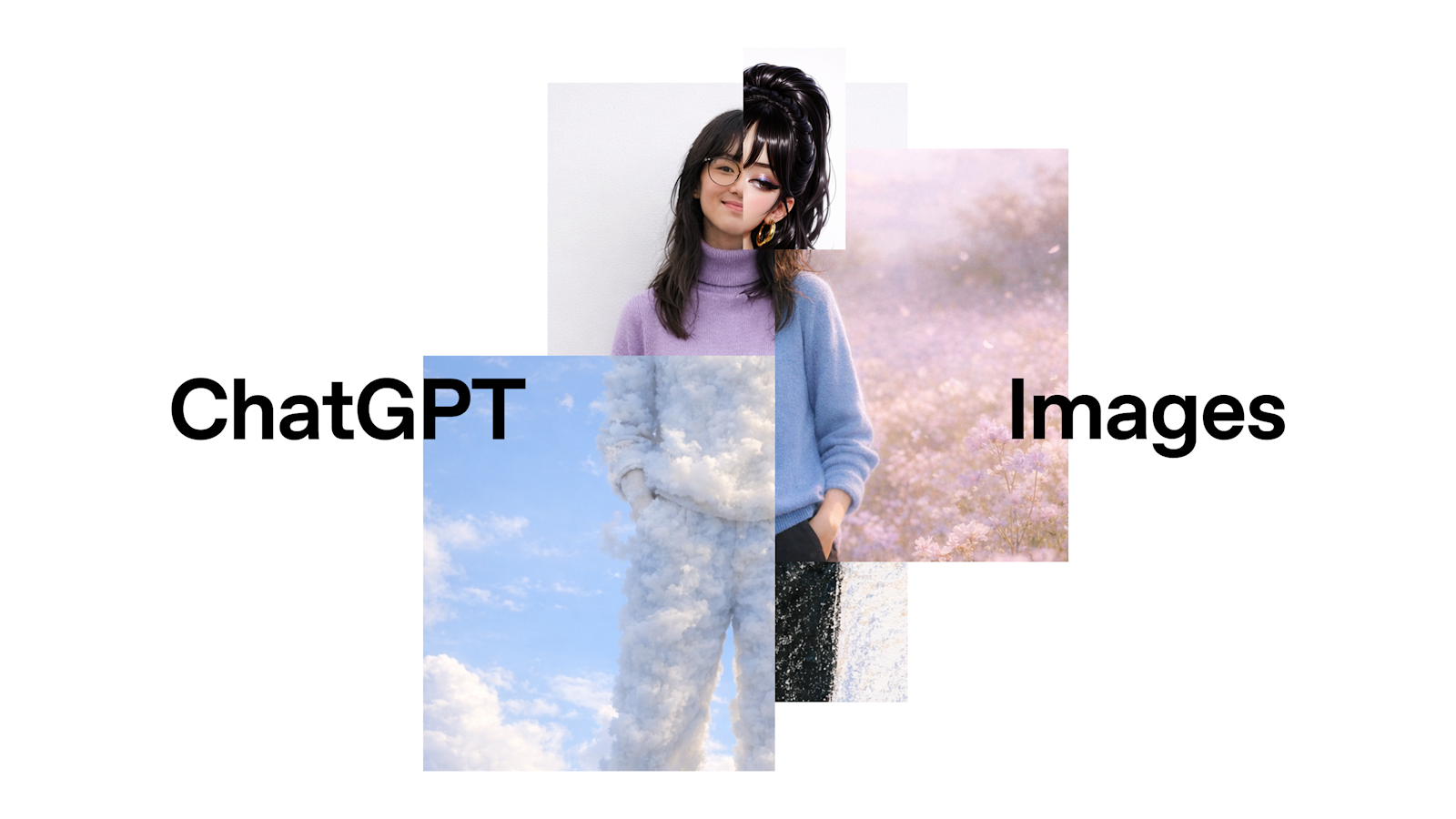
AI and human-written coverage largely agree that OpenAI's GPT Image 1.5 (the new ChatGPT Images model) is a major upgrade focused on speed, quality, and richer editing. Both describe it as:
- A flagship image generation model integrated into ChatGPT and exposed via the API as GPT Image 1.5
- Offering precise editing and creative transformations that preserve original details, including facial likeness and layout consistency
- Delivering up to four times faster image generation and more responsive instruction-following for design, post-production, and text rendering
- A strategic move by OpenAI to strengthen its position in the AI image space against competitors like Google and its recent image-editing advances
Divergence: Safety Concerns, Competitive Framing, and User Experience
Where they diverge is in emphasis and framing. The AI-sourced article focuses on product polish and user experience:
- Highlighting a new dedicated Images feature in ChatGPT with preset filters and inspirational prompts
- Framing the release as making image generation more "effortless" and creatively empowering, with little explicit focus on risks
The human-written coverage is more critical and market-oriented:
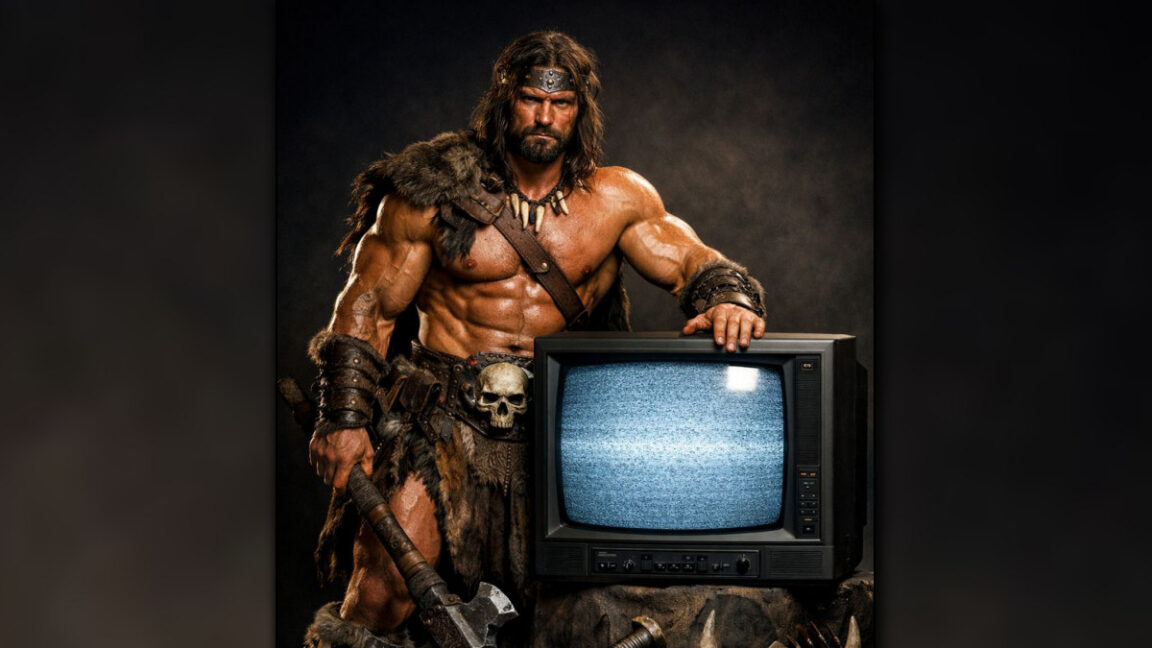
- Stressing that the tool "makes faking photos easy", implicitly raising misinformation and misuse concerns
- Emphasizing native multimodality (images + language in one network) and granular pose/angle control as both a technical leap and a potential risk factor
- Casting the release as part of a "code red" competitive warpath against Google's Gemini and naming rival features like Nano Banana Pro, underscoring an escalating AI arms race rather than just a benign product upgrade.
Overall, AI coverage frames GPT Image 1.5 as a polished, creative enhancement to ChatGPT, while human outlets contextualize the same advances within a story of competitive pressure, potential for abuse, and growing stakes in the AI image ecosystem.