


Agreement Between AI and Human Coverage
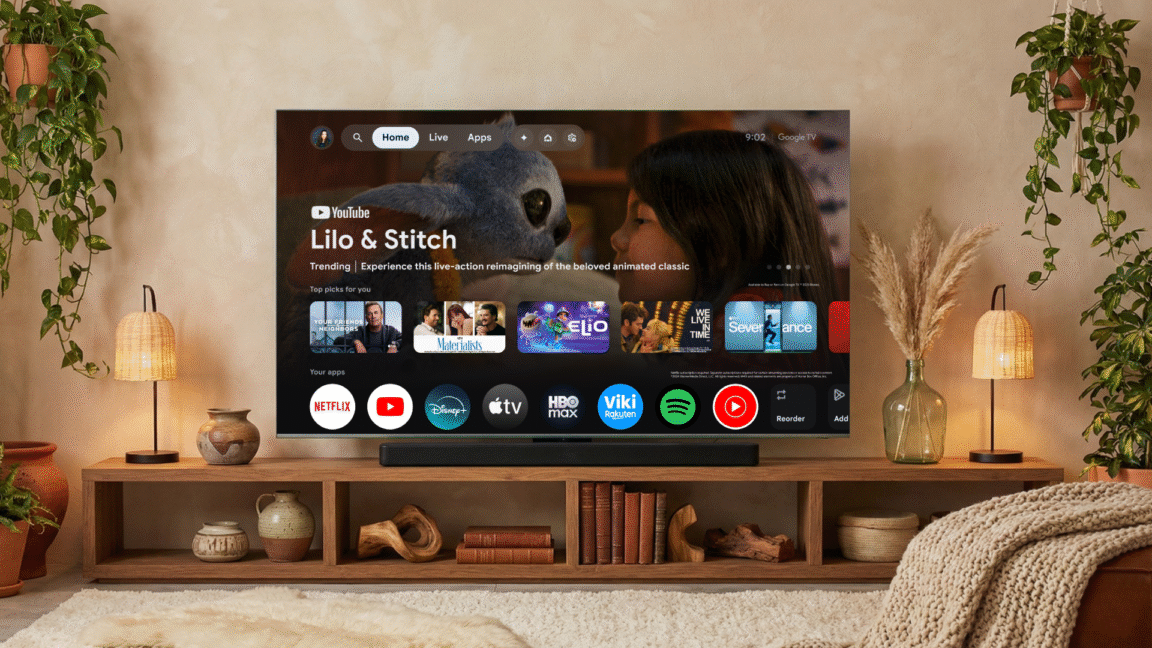
Human coverage of Google’s Gemini integration into Google TV consistently emphasizes several core points that AI summaries would also likely highlight, showing substantial alignment around the basics of the story. Both perspectives would agree that Gemini AI is being built into Google TV—starting with select TCL sets running at least Android 14—to enable more natural, conversational interaction with the TV, including chatbot-like experiences, personalized content recommendations, and voice control of system settings (e.g., screen brightness and volume). They would also converge on the importance of new multimodal capabilities, especially the use of Nano Banana and Veo models to generate and remix images and videos directly on the TV, and to deliver richer, more visual answers to queries (such as sports updates, topic deep dives, and contextual visuals). In both AI and Human framings, these features are positioned as making the TV experience more intuitive, interactive, and potentially more educational.
Divergence Between AI and Human Coverage
Where coverage diverges is mainly in emphasis, nuance, and framing: Human-written articles focus heavily on concrete feature descriptions, rollout details, and the user experience at launch—such as the requirement for Android 14, limited initial availability on TCL TVs, and specific capabilities like real-time sports info and visual responses—while an AI-authored article might more strongly foreground strategic context (e.g., how this move fits into Google’s broader Gemini roadmap or the competitive landscape in smart TVs). Human sources also stress the CES 2026 preview framing, treating this as an early glimpse with a gradual rollout, and they highlight particular model names like Nano Banana and Veo as newsworthy technical additions. An AI-generated overview, by contrast, might abstract away some of these product details, focus more on the long-term implications for AI-assisted home entertainment, and possibly underplay specific partner brands or firmware constraints in favor of a higher-level narrative about multimodal AI entering the living room.
Conclusion
Taken together, Human coverage anchors the story in practical launch specifics and hands-on features, while an AI perspective would likely echo the same core facts but place more weight on strategic significance and future potential, complementing rather than contradicting the human-reported details.
Story coverage

