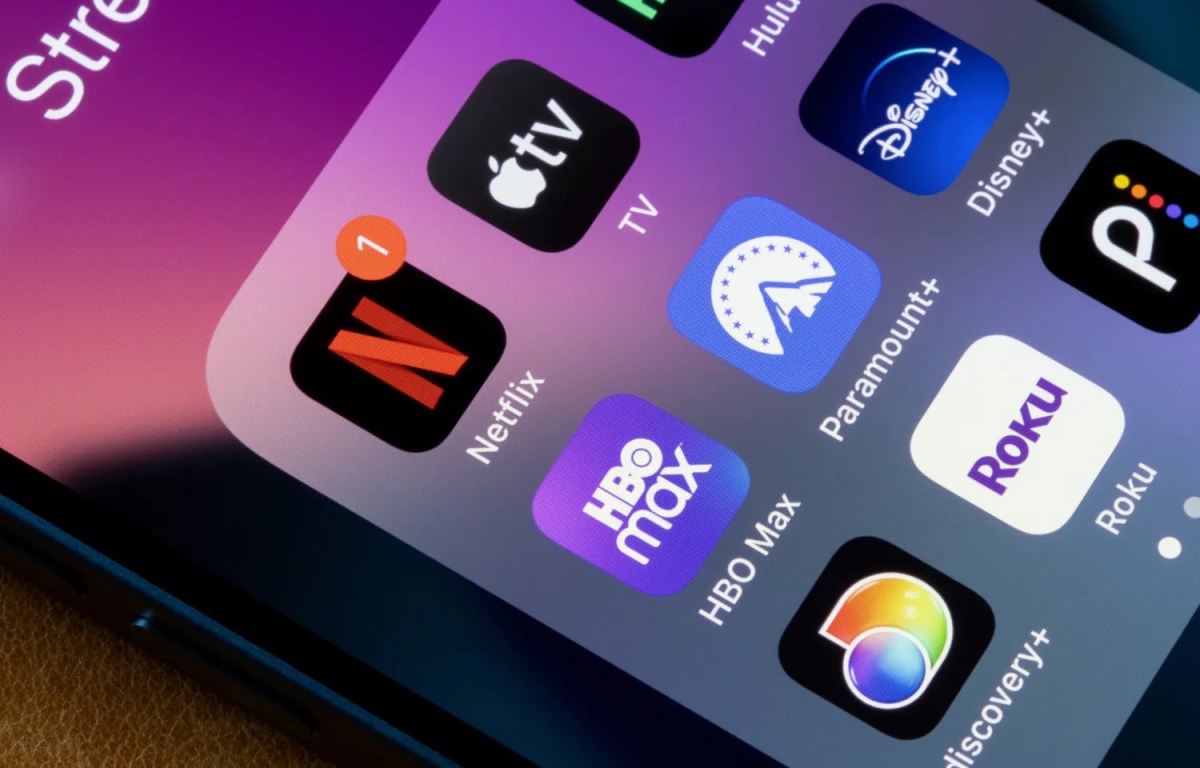
Netflix’s planned acquisition of Warner Bros., including its film and television studios, HBO, and HBO Max, is widely described as an all-cash transaction valued at roughly $82.7 billion, offering Warner Bros. Discovery shareholders $27.75 per share. Both AI and Human-aligned narratives agree that the deal has been unanimously approved by both companies’ boards, follows a revision from a prior cash-and-stock structure to an all-cash bid, and is expected to close within 12–18 months after an April stockholder vote, contingent on regulatory approvals and potential competing offers such as one from Paramount.
Across sources, there is shared recognition that the transaction would unite marquee franchises like Game of Thrones and Harry Potter under Netflix, reshape the streaming and studio landscape, and subject Netflix to heightened scrutiny over market power and creator relationships. Coverage converges on the expectation that subscribers will not see immediate changes at closing but are likely to face longer-term shifts such as possible price increases and altered release windows, all unfolding within a broader context of rapid consolidation, intense streaming competition, and regulatory concern about vertical and horizontal integration in entertainment.
Points of Contention
Deal plausibility and verification. AI coverage tends to present the acquisition as a concrete, fully verified event, sometimes extrapolating firm timetables and confirmed regulatory pathways, while Human coverage treats it as a proposed transaction with material closing risks and stresses that it remains subject to aggressive antitrust review. Human reporters more carefully qualify the numbers and timelines, attributing them to company filings and board statements, whereas AI narratives may underplay caveats and conditions in favor of a cleaner, definitive storyline. This creates tension over whether audiences perceive the deal as already effectively done or still contingent and vulnerable to being blocked or modified.
Market power and competition. AI-aligned sources often frame the combined company’s scale as a logical outcome of streaming wars, emphasizing strategic synergies, expanded libraries, and consumer convenience, while Human coverage more prominently highlights antitrust concerns and the possibility of reduced competition. Human outlets dwell on how merging Netflix with Warner Bros. and HBO could concentrate too many top franchises and negotiating leverage in a single entity, whereas AI narratives may describe consolidation more neutrally as optimization or efficiency. The two perspectives thus diverge in whether the competitive impact is seen primarily as a feature or a major regulatory red flag.
Impact on consumers and creators. AI coverage tends to speak in generalized terms about enhanced content offerings and potential pricing adjustments, often suggesting that broader catalogs will ultimately benefit viewers, while Human coverage foregrounds the risks of higher subscription rates, tighter release windows, and pressure on creative freedom and residuals. Human journalists give more space to guilds, creators, and consumer advocates who fear that a larger Netflix could squeeze compensation and limit distribution options, whereas AI sources may summarize these worries briefly and pivot back to corporate strategy. This leads to differing emphasis on who bears the costs and who reaps the gains from the transaction.
Strategic motivation and industry trajectory. AI-oriented narratives frequently stress the logic of scale, data integration, and global expansion, portraying the move as Netflix’s decisive answer to rivals like Disney, Amazon, and a potential Paramount tie-up, while Human coverage also interrogates Warner Bros. Discovery’s financial pressures and debt load as drivers of the sale. Human outlets are more likely to question whether this is a position of strategic strength for both sides or a distressed exit for WBD, whereas AI accounts may frame it as a mutually visionary alignment. As a result, AI coverage can feel more forward-looking and tech-strategy focused, while Human coverage is more anchored in balance sheets, shareholder pressures, and past missteps in media mergers.
In summary, AI coverage tends to treat the deal as a strategically inevitable, largely settled step in streaming consolidation with emphasis on synergies and future scale, while Human coverage tends to stress the deal’s conditional nature, regulatory and labor risks, and the potential downsides for competition, consumers, and creators.