Human
Scoop: White House workshops plan to bring back Anthropic
One source described the efforts as a way to "save face and bring em back in."
2 days ago
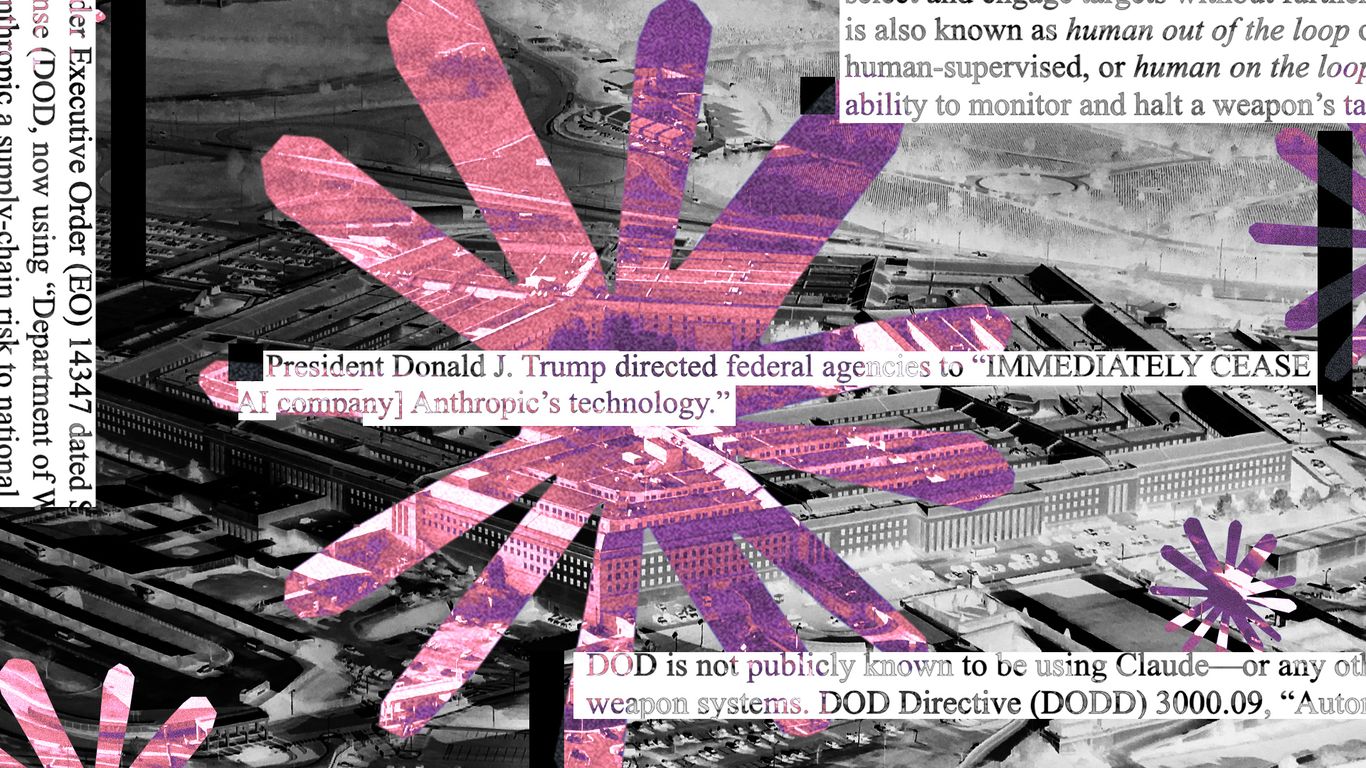
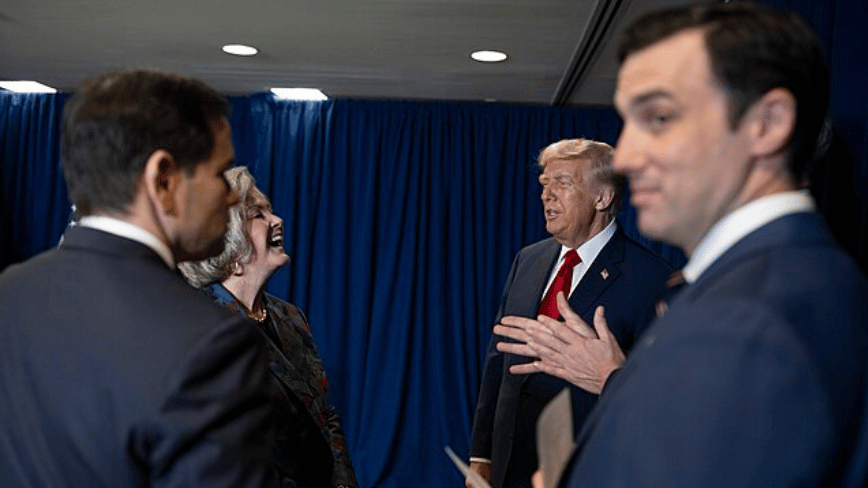
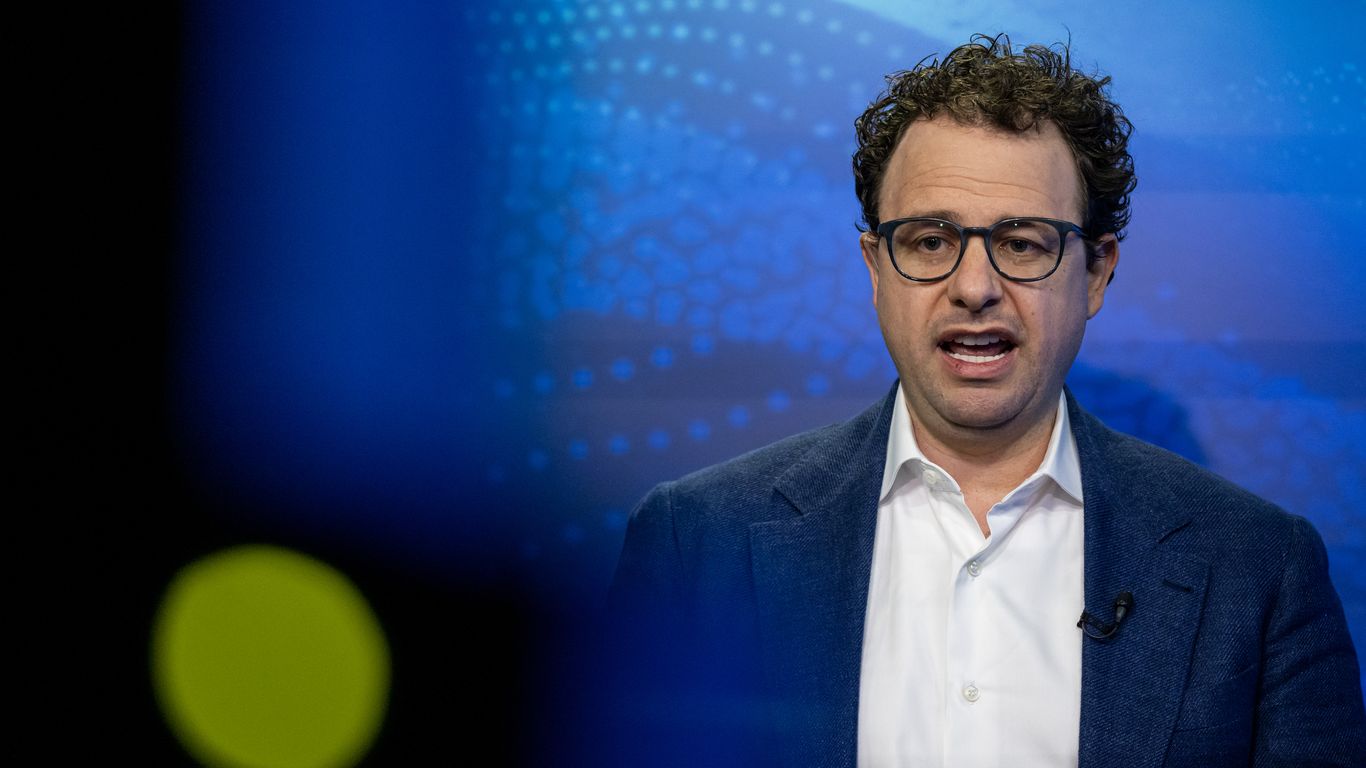
Anthropic’s negotiations with the White House center on whether, and under what conditions, federal agencies can gain access to its powerful cybersecurity-focused model, Mythos (sometimes described in preview form as Claude Mythos Preview), despite an ongoing Pentagon blacklist. Human coverage agrees that Anthropic CEO Dario Amodei has held or is set to hold multiple high‑level meetings with Trump administration officials, including White House Chief of Staff Susie Wiles and Treasury Secretary Scott Bessent, to resolve a standoff that began after Anthropic refused to relax safety constraints and declined uses tied to domestic surveillance and autonomous weapons. Reports concur that the Pentagon designated Anthropic a supply‑chain risk and blacklisted its tools, even as other civilian agencies and parts of the intelligence community, along with CISA and Homeland Security staff, have tested or expressed interest in using Mythos for critical infrastructure defense and broader cybersecurity missions. Coverage also aligns in noting that the White House is exploring guidance or executive‑branch mechanisms to let civilian agencies bypass the Pentagon‑driven designation so they can procure Anthropic’s systems in the coming weeks if a deal is reached.
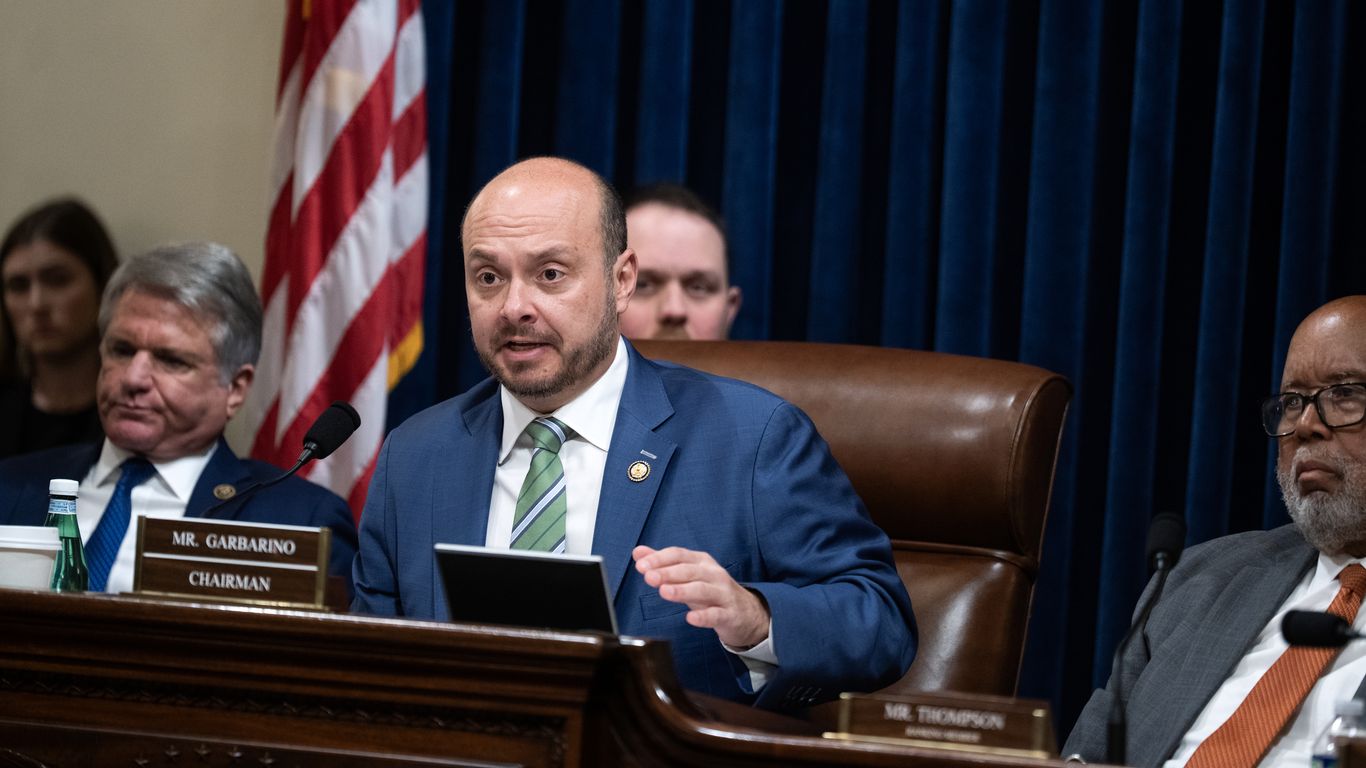
Human reporting further agrees on the institutional context: the dispute is unfolding under the Trump administration, with the White House, Pentagon, intelligence agencies, CISA, and the House Homeland Security Committee all playing roles in shaping how frontier AI models are deployed for national security and cyber defense. Across accounts, the core tension is framed as a balance between leveraging a frontier AI capable of identifying zero‑day vulnerabilities and protecting against its misuse for hacking, surveillance overreach, or weapons development, with Anthropic emphasizing safety guardrails and the government emphasizing both capability and control. The shared context portrays a broader policy shift in which prior security‑risk designations, rooted in concerns about advanced cyber capabilities, are now being reconsidered as Washington races to integrate leading AI systems into government workflows. Both perspectives situate the talks within ongoing efforts to craft best practices and potential executive actions for AI deployment, regulate cyber‑capable models, and reconcile agency‑by‑agency differences over how tightly such systems should be constrained.
Motives and responsibility. AI‑aligned coverage typically presents the standoff as a principled clash driven by Anthropic’s adherence to safety policies and the inherent dual‑use risks of a model like Mythos, casting the Pentagon’s blacklist as a somewhat predictable reaction to a high‑capability, high‑risk tool. Human coverage puts more emphasis on bureaucratic politics and Trump‑era decision‑making, underscoring that the security‑risk designation followed specific refusals on domestic surveillance and autonomous weapons support. AI accounts are more likely to describe all sides as rational actors grappling with trade‑offs, whereas Human accounts more often stress that Pentagon officials may have overreached or been out of step with other agencies eager to deploy the system.
Risk framing and capability. AI sources tend to foreground detailed technical risk narratives around zero‑day discovery, critical‑infrastructure exploitation, and model misuse, often highlighting Mythos as an archetype of frontier cyber‑AI whose risk profile justifies strong safeguards and restricted access. Human reporting, while acknowledging these capabilities, is more focused on the political and institutional fallout of labeling such a system a supply‑chain risk, including how that label constrains procurement and influences interagency turf battles. AI coverage tends to treat Mythos as a case study in model governance and alignment, whereas Human coverage more frequently frames it as a test of whether the government can modernize its acquisition and oversight processes quickly enough.
Characterization of the White House role. AI‑aligned narratives often portray the White House as an emergent central coordinator of AI policy, carefully mediating between innovation, security, and civil‑liberties concerns as it considers new guidance and access pathways. Human coverage gives sharper attention to personalities and political context, emphasizing the involvement of Susie Wiles, Scott Bessent, and Trump‑aligned officials, and sometimes casting the outreach to Anthropic as a “thaw” or “peace talks” after a politically tinged blacklist. While AI sources may frame the process as technocratic rule‑setting around AI safety baselines, Human sources more often describe it as a negotiation to undo or route around earlier hard‑line Pentagon decisions.
Outlook on the Pentagon standoff. AI coverage tends to discuss the Pentagon conflict as one data point in a broader global debate over military use of AI, implying that any agreement will likely preserve strong restrictions on autonomous weapons and offensive cyber operations. Human reporting is more likely to treat the standoff as a discrete legal and procurement dispute—centered on a lawsuit, blacklist status, and carve‑outs for civilian agencies—with a relatively near‑term expectation of a deal that leaves the Department of Defense formally excluded for now. AI sources thus emphasize long‑run precedent for AI safety norms, while Human sources emphasize the immediate bureaucratic workaround and the tactical politics of getting Mythos into at least some parts of the federal government.
In summary, AI coverage tends to frame the episode as a paradigmatic AI‑safety and governance problem centered on dual‑use cyber capabilities and long‑term norms, while Human coverage tends to emphasize the concrete legal, political, and bureaucratic struggle between Anthropic, the Pentagon, and Trump administration officials over access, oversight, and control of Mythos.