Human
Pentagon strikes classified AI deals with OpenAI, Google, and Nvidia
Posts from this topic will be added to your daily email digest and your homepage feed.
3 days ago
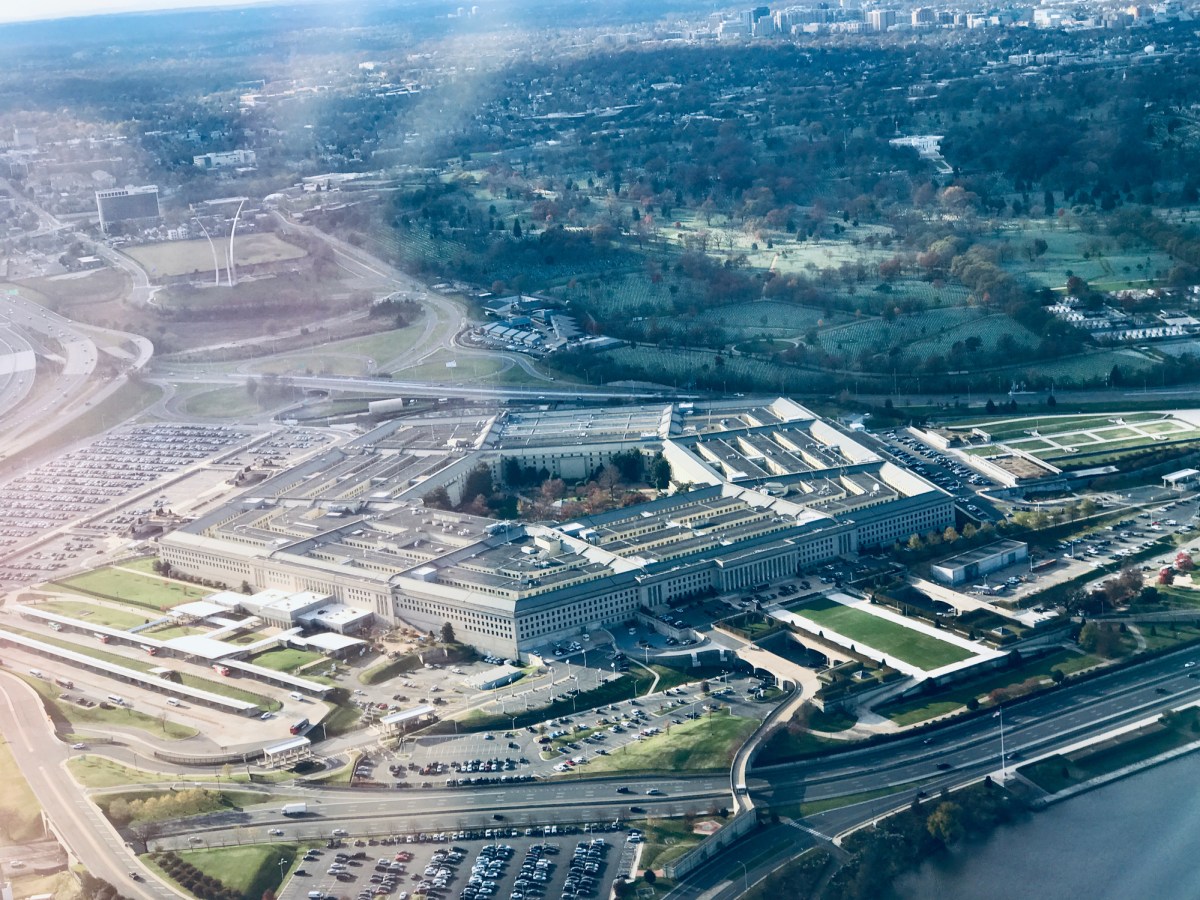
The Pentagon has signed agreements with a group of major technology companies to deploy artificial intelligence tools on classified U.S. military networks, with both sets of coverage agreeing that this marks a deliberate push to make the armed forces an "AI-first fighting force." Human reporting consistently names key partners such as Nvidia, Microsoft, Amazon or Amazon Web Services, OpenAI, Google, xAI, and Reflection AI, and locates the effort squarely within the Defense Department’s classified environments rather than public or unclassified systems. Both perspectives describe the core operational goal as improving warfighters’ decision-making and situational awareness across multiple domains of warfare, using advanced models and infrastructure provided by these vendors.
Both sides also agree that the Pentagon is intentionally diversifying its AI vendor base and that this diversification is tied to earlier tensions with Anthropic, which had previously provided tools for handling some classified information. The shared context emphasizes concerns about vendor lock-in, the desire for contractual flexibility, and the need for supply-chain assurance when integrating commercial AI into sensitive national security systems. Human accounts further underline that disputes over issues such as mass domestic surveillance and autonomous weapons shaped the Pentagon’s current posture, but there is broad alignment that the new deals are part of a longer-running institutional push to modernize U.S. defense capabilities through closer collaboration with leading AI firms.
Scope and emphasis of the deals. AI coverage tends to generalize the agreements as a sweeping, technology-agnostic transformation of the Pentagon into an AI-first force, often downplaying which specific tools or deployment stages are involved. Human coverage more concretely ties the deals to deploying specific models and infrastructure on classified networks and frames them as part of an incremental expansion of existing AI programs rather than a sudden revolution. Where AI narratives may present the initiative as a broad, almost inevitable modernization, Human outlets situate it within current programs and acquisition pathways.
Treatment of Anthropic and ethics. AI sources typically condense the Anthropic dispute into a supply-chain or policy misalignment issue, mentioning restrictions on surveillance or weapons only briefly, if at all. Human reporting offers more detail, highlighting Anthropic’s resistance to loosening limits on mass domestic surveillance and autonomous weapons and portraying this as a central cause of the Pentagon’s shift to other vendors. As a result, AI coverage often frames Anthropic’s exclusion as a technical or procurement decision, while Human coverage foregrounds the ethical and civil liberties conflict at its core.
Risk framing and safeguards. AI coverage generally stresses the benefits of faster decision-making and superior battlefield awareness, giving limited attention to concrete oversight mechanisms, model alignment, or failure modes in classified contexts. Human coverage, while also acknowledging operational advantages, more frequently raises implicit questions about accountability, the risks of empowering autonomous or semi-autonomous systems, and the implications of putting powerful commercial models behind classification barriers. AI narratives thus emphasize capability and competitiveness, whereas Human accounts are more likely to hint at governance gaps and democratic oversight concerns.
Characterization of industry–Pentagon relations. AI sources often portray the partnerships as a mutually beneficial alignment between innovative companies and a modernizing military, suggesting a largely harmonious ecosystem of collaboration. Human coverage is more inclined to describe a history of frictions, including earlier tech-employee backlash over defense projects and present-day contractual disputes over permissible military uses of AI. This leads AI narratives to highlight synergy and shared objectives, while Human narratives underline negotiation, contestation, and the possibility of future public or internal pushback.
In summary, AI coverage tends to present the Pentagon’s classified AI deals as a largely technical and strategic upgrade focused on capability, speed, and vendor diversity, while Human coverage tends to embed the same deals in a more contested story about ethics, surveillance, autonomous weapons, and the evolving, sometimes tense relationship between tech firms and the U.S. military.